What Was Russell M. Nelson’s Net Worth At The Time Of His Death?
Russell M Nelson Net Worth details explained, including income sources, church allowance, and what is publicly known as of 2026.
Author:Chloe AndersonApr 29, 20262.2K Shares99.5K Views
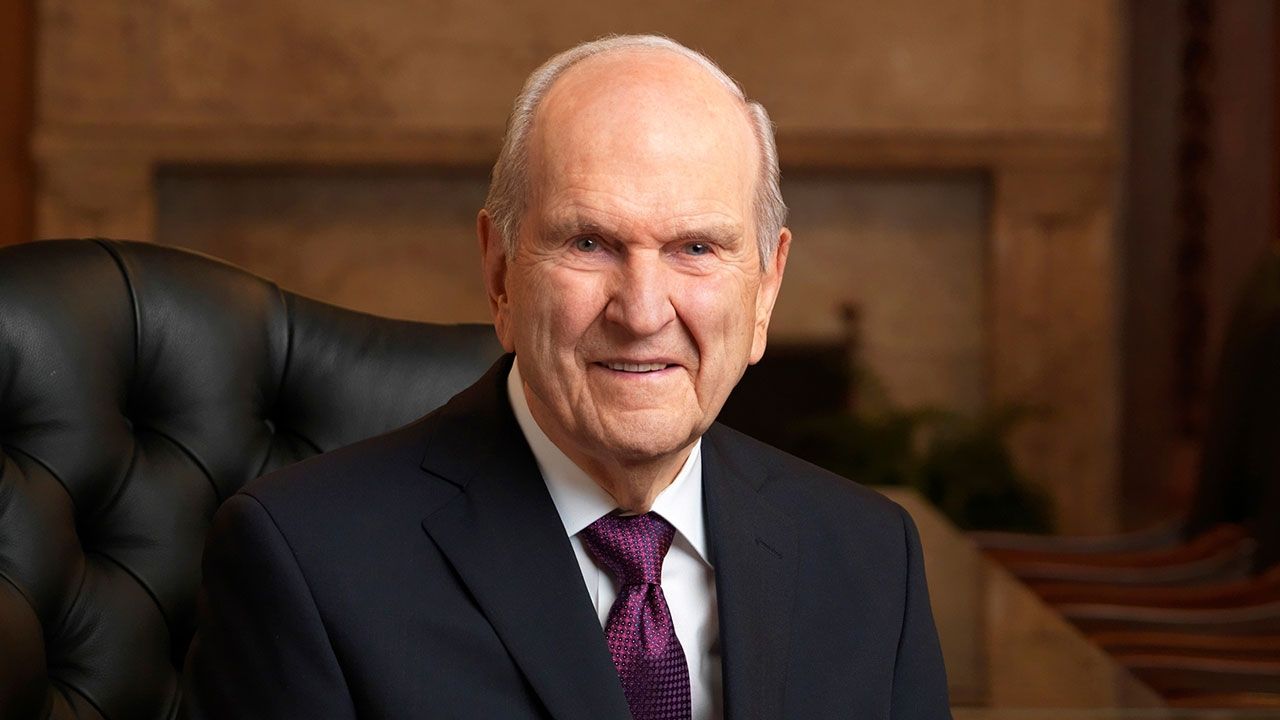
Russell M. Nelson was born on September 9, 1924, in Salt Lake City, Utah. He was the second of four children born to Marion C. and Edna Anderson Nelson. His parents emphasized family, love, and education in the home, even though they were not active in the LDS Church during his childhood. His father, Marion Nelson, worked as a reporter for the Deseret Newsand later as a manager of a Salt Lake City advertising agency.
Nelson grew up helping with family responsibilities in Salt Lake City. At age 10 he worked as an errand boy for his father’s business, an experience he said taught him a strong work ethic. He later recalled that his parents made love the “prevailing influence” in their home, providing guidance without anger or harsh criticism. His father encouraged self-reliance; for example, when the young Nelson sought help writing a school speech, his father insisted he draft it himself first.
After graduating from high school in 1941 as his class valedictorian, Nelson enrolled at the University of Utah. While in his teens he also took shorthand classes at LDS Business College (now Ensign College) to earn money for further education. He received a bachelor’s degree from the University of Utah in 1945. From an early age he had been intellectually curious, especially about science and the human body. Throughout his youth he attended church activities (often alone) and was baptized into the LDS Church at age 16.
| Topic | Verified Information |
| Net Worth | Not publicly disclosed |
| Full Name | Russell Marion Nelson |
| Birth | September 9, 1924 |
| Death | September 27, 2025 (101) |
| Profession | Surgeon, Church leader |
| Key Medical Work | First open-heart surgery in Utah (1955) |
| Education | Univ. of Utah; Ph.D. Minnesota |
| Military | U.S. Army Medical Corps (Korean War) |
| Church Role | 17th President (2018–2025) |
| Apostle Service | 1984–2025 (41+ years) |
| Reforms | “Come, Follow Me,” ministering |
| Temple Growth | 200+ temples announced |
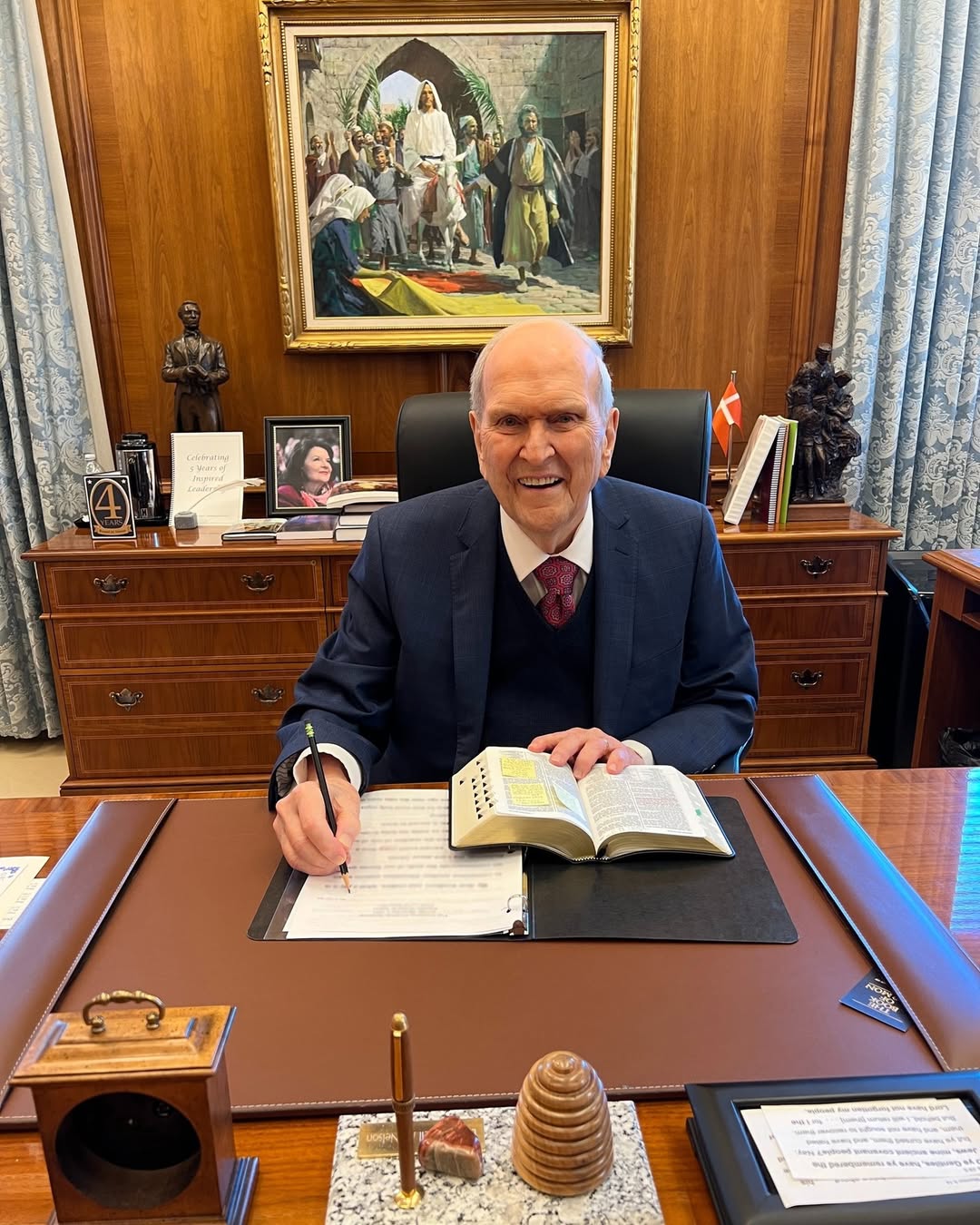
Early Career And Medical Education
Russell M. Nelson earned his bachelor’s (1945) and medical (1947) degrees from the University of Utah. He completed surgical residencies at Massachusetts General Hospital and at the University of Minnesota (earning his Ph.D. in surgery in 1954).
His training was briefly interrupted when he served in the U.S. Army Medical Corps during the Korean War (1951–1953). Even as a medical student and resident, Nelson was involved in pioneering cardiac research: he joined the team that built the first heart-lung bypass machine After the war he resumed his studies, completing advanced training and doctoral work in Minnesota by 1954.
Heart Surgery Career And Medical Achievements
Upon returning to Utah, Nelson joined the University of Utah School of Medicine in 1955 as an assistant professor of surgery. In November 1955 he performed Utah’s first open-heart operation using a heart-lung machine, a milestone that put Utah’s cardiac program “on the national and international map.”
He later rose to become a research professor of surgery at the University of Utah and chaired the Department of Thoracic Surgery at Salt Lake City’s LDS Hospital. From 1968 to 1984 he directed the university’s thoracic surgical residency program, training generations of cardiac surgeons.
Nelson published widely and lectured internationally on cardiothoracic topics. Over his career he performed roughly 7,000 surgical procedures. He also took on leadership in his profession: he served as president of the Society for Vascular Surgery and president of the Utah State Medical Association, and he held key roles with the American Board of Thoracic Surgery and the American Heart Association.
These accomplishments earned him multiple honors (such as the University of Utah’s Distinguished Alumni Award and the American Heart Association’s Heart of Gold Award) and honorary professorships at institutions around the world.
Church Service Before Full-Time Leadership
Throughout his medical career, Nelson also served in lay leadership positions in the LDS Church. He was the president of the Salt Lake Bonneville Stake (a regional congregation) from 1964 to 1971.
In 1971 he was called as general president of the Church’s Sunday School organization, a position he held for eight years. In the late 1970s and early 1980s he served as a Regional Representative (a stake-level supervisory calling) in Utah.
He balanced these responsibilities with his medical work, often planning meetings and visits during evenings and weekends. These early church roles gave him broad administrative experience even as he continued his surgical practice.
Apostolic Calling And Global Religious Ministry
On April 7, 1984, at age 59, Nelson was ordained an Apostle and member of the Quorum of the Twelve Apostles. He resigned from medicine (his final open-heart operation was in March 1985) and devoted himself full-time to church service.
As an Apostle, he took on extensive international duties. From 1985 to 1990 he oversaw the Church’s affairs in Europe and Africa, with a special assignment to open Eastern Europe to LDS missionary work.
In that capacity he dedicated Hungary (April 1987) and Bulgaria (February 1990) for the preaching of the gospel. He also led other global initiatives: for example, in 1997 he dedicated the Church’s São Paulo Brazil Missionary Training Center.
In later years he chaired several executive councils of the Church (including the Missionary, Temple and Family History, and Priesthood and Family councils). From 2015 until becoming Church president in 2018, Nelson served as the President of the Quorum of the Twelve Apostles. Throughout this period he traveled widely, meeting local Church leaders and members on every continent to expand the Church’s global ministry.
Presidency Of The Church And Major Leadership Priorities
After the death of President Thomas S. Monson, Russell M. Nelson was set apart as the 17th President of The Church of Jesus Christ of Latter-day Saints on January 14, 2018. He served as Church president until his death in September 2025.
During his tenure he introduced a number of significant policy and organizational reforms. In 2018 he announced that the Church would emphasize its full name (The Church of Jesus Christ of Latter-day Saints) and adjusted weekly meeting schedules, introducing a new home-centered study program called “Come, Follow Me” and replacing traditional home and visiting teaching with a new ministering program.
That same year he announced the end of the Church’s relationship with the Boy Scouts of America and launched a new in-house youth activity program. In 2019 he revised youth responsibilities (including discontinuing certain local youth presidencies) and updated the temple-recommend interview questions.
Throughout his presidency Nelson repeatedly stressed the importance of centering Church life on Jesus Christ. He frequently counseled members to “minister more like Jesus Christ” and to focus on the Savior’s teachings in all they do. These changes reflected his priority of helping the global Church adjust its programs and structure in ways that emphasized personal discipleship and faith in Christ.
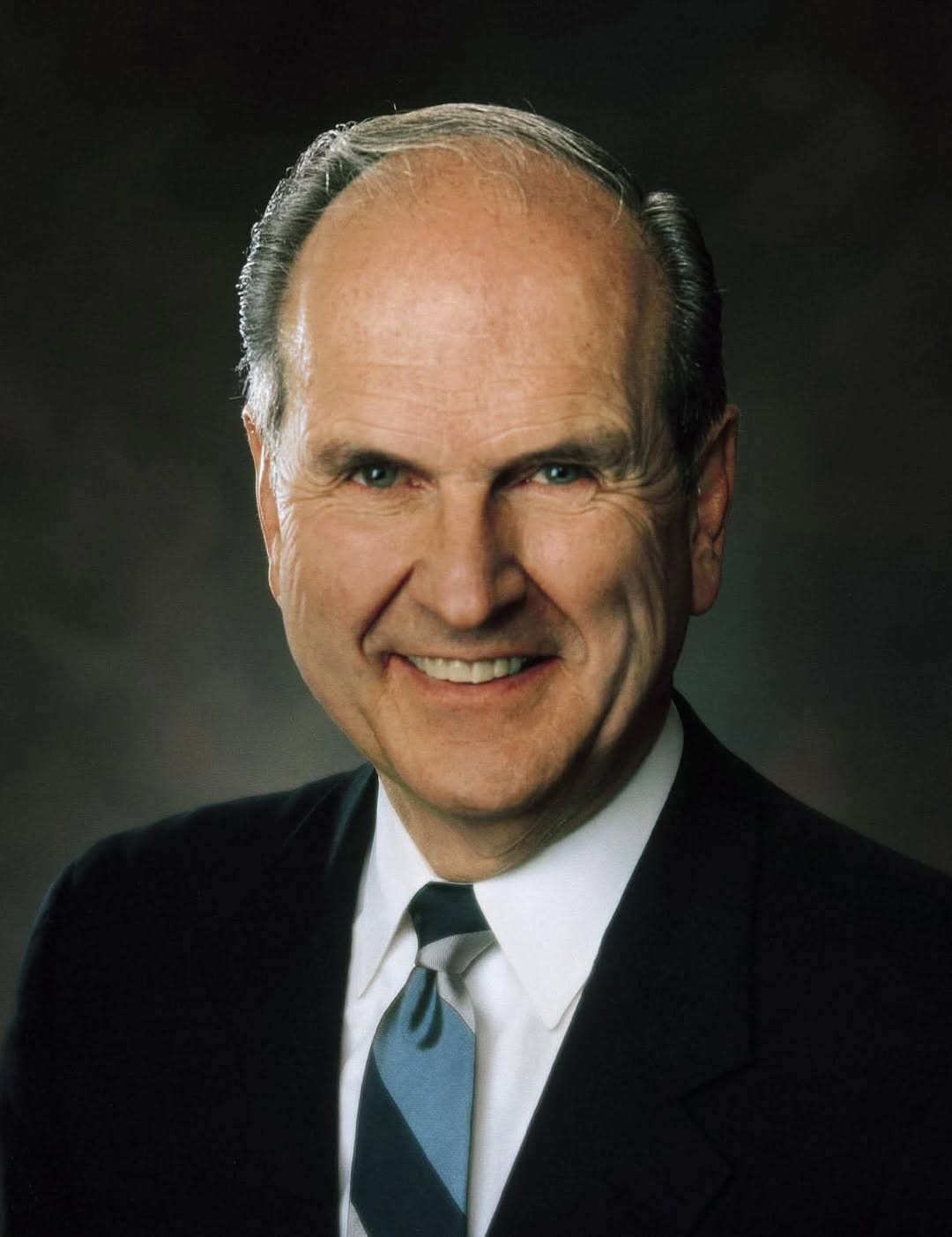
Temple Expansion, Teachings, And Global Church Impact
One of President Nelson’s most notable accomplishments was a dramatic expansion of temple construction. Over his seven years as president he announced 200 new temple locations – a majority of the Church’s temples – and dedicated many already completed sanctuaries worldwide.
For example, in November 2024 he dedicated the Deseret Peak Utah Temple, marking the Church’s 200th operating temple. In his public addresses he consistently taught members to treasure temple blessings and Christ’s atonement.
In a widely noted October 2024 conference address he summarized his message this way: “We invite all of God’s children … to come unto their Savior, receive the blessings of the holy temple, have enduring joy and qualify for eternal life.”
Nelson also maintained an active global profile. As Church president he visited more than 30 countries and territories, meeting local leaders and members. He engaged in international outreach and interfaith dialogue, speaking on issues like racial harmony (for example, addressing a national NAACP convention in 2019) and meeting government and faith leaders from Asia to Africa.
Colleagues noted that he often communicated in the languages of the people he met (delivering sermons in Spanish during Latin American tours, for instance) and urged Saints everywhere to be “peacemakers who build, lift, encourage, persuade, and inspire” regardless of circumstances. This global ministry strengthened the Church’s international presence and built bridges across cultures during his presidency.
Final Years, Death, And Lasting Legacy
Nelson remained in office until he passed away on September 27, 2025, at the age of 101. At the time he was the oldest person to have served as President of the Church. In his final years he continued to inspire members, delivering conference talks and interviews that reflected the same focus on Christ and service. His death marked the end of an era: he had served as an apostle for over 41 years (1984–2025) and as Church president for almost eight years.
In remembering his career, observers highlight the dual legacy he leaves behind. In medicine, he pioneered open-heart surgery in Utah and saved countless lives through surgery and innovation.
In his Church leadership, he is credited with accelerating global temple-building and instituting enduring organizational reforms centered on Gospel teaching. President Nelson often summarized his lifelong priorities by pointing members back to Jesus Christ, and those themes now define much of how his ministry is remembered.
He is revered within the Church as a devoted prophet and leader whose professional expertise and spiritual guidance had a profound impact on the faith’s worldwide growth and focus.
Russell M Nelson Net Worth
At the time of Russell M. Nelson’s death, his net worth was not publicly disclosed, and no figure has been officially verified by major financial authorities. He worked for decades as a cardiothoracic surgeon and earned royalties from the religious books he authored. During his full-time service in the LDS Church, he did not receive a conventional salary but instead received a standard living allowance provided to General Authorities. No specific earnings figures from any of these sources have been made public.
FAQs
1. What Medical Field Was Russell M. Nelson Known For?
Russell M. Nelson specialized in cardiothoracic surgery. He was recognized for his contributions to open-heart surgery and cardiovascular research.
2. Did Russell M. Nelson Serve In The Military?
Yes, he served in the U.S. Army Medical Corps during the Korean War from 1951 to 1953. His service temporarily paused his medical training.
3. When Did Russell M. Nelson Become An Apostle?
He was ordained as an Apostle on April 7, 1984. He served in this role for over four decades.
4. What Was Russell M. Nelson’s Role Before Becoming Church President?
Before becoming president, he served as President of the Quorum of the Twelve Apostles from 2015 to 2018. This is one of the highest leadership positions in the Church.
5. How Long Did Russell M. Nelson Serve As Church President?
He served as President of The Church of Jesus Christ of Latter-day Saints from January 2018 until September 2025. His presidency lasted nearly eight years.
Chloe Anderson
Author
Chloe Anderson is a passionate explorer of the world of celebrity finance, known for her keen insights and captivating storytelling. With a background in finance journalism, Chloe has a knack for unraveling the financial mysteries behind the stars.
Her journey into the fascinating realm of celebrity net worth began with a deep curiosity about how fame and fortune intersect. Chloe believes that understanding the financial lives of iconic personalities adds a unique layer of intrigue to their captivating stories.
With a commitment to delivering accurate and engaging content, Chloe takes you on a journey through the financial successes, investments, and philanthropic endeavors of influential figures. She combines her expertise in finance with her love for storytelling to create articles and features that both inform and entertain.
Latest Articles
Popular Articles