What Was Rowdy Roddy Piper’s Net Worth At The Time Of His Death?
Rowdy Roddy Piper Net Worth explained with career earnings, WWE income, acting roles, and how he built his estimated $4M fortune.
Author:Chloe AndersonApr 23, 2026232 Shares33.1K Views
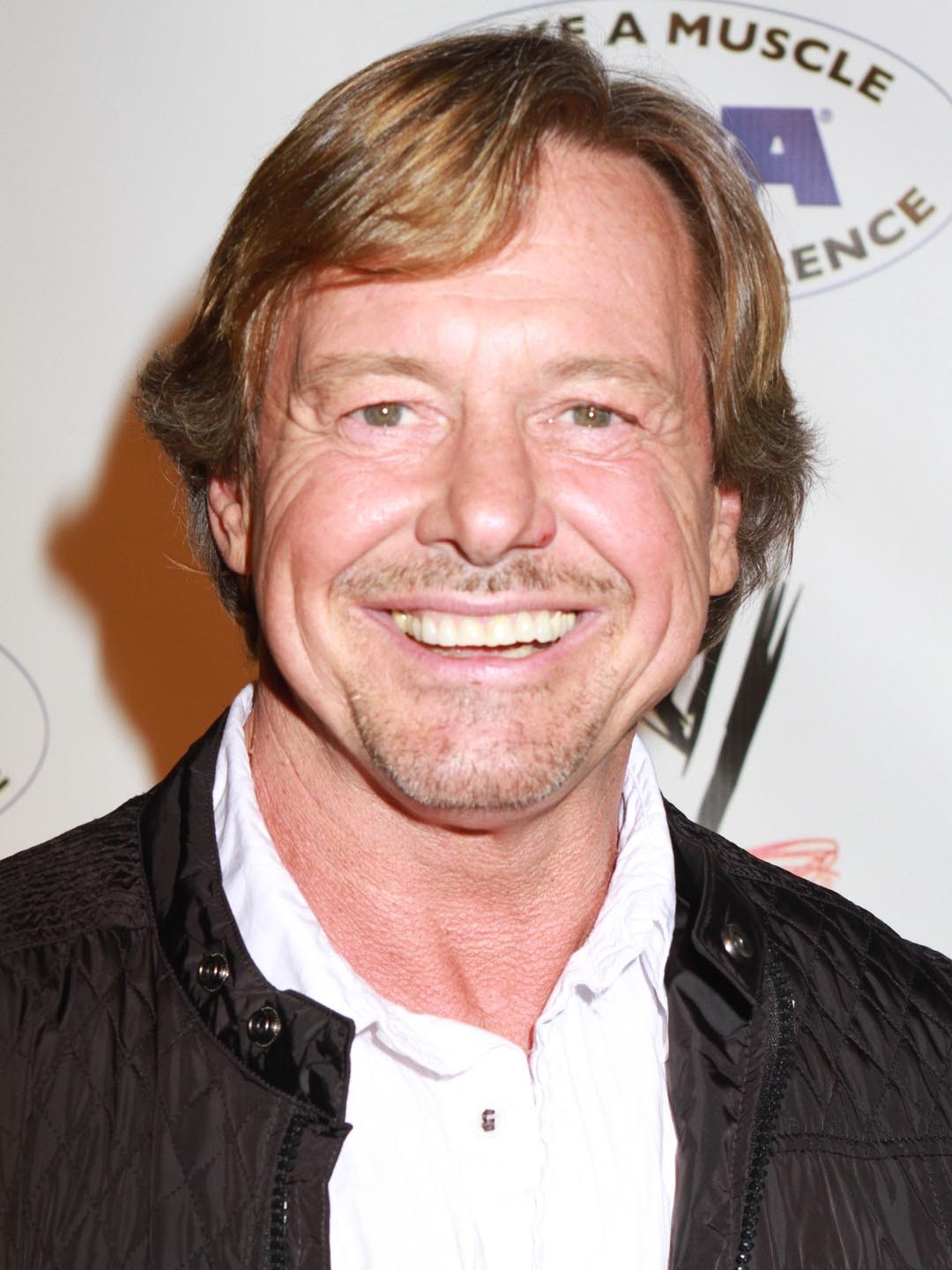
Roderick George Toombs was born on April 17, 1954, in Saskatoon, Saskatchewan. He was the youngest of three children born to Stanley and Eileen (née Anderson) Toombs. Stanley Toombs worked as an officer with the Canadian National Railway Police, and the family moved frequently across Canada – living in places such as The Pas and Port Arthur (Thunder Bay) in Ontario before eventually settling in Winnipeg, Manitoba. In each new town local youths often targeted Roderick, and he faced regular bullying growing up.
In Winnipeg, Toombs attended Windsor Park Collegiate. There he took part in amateur wrestling and won a school wrestling tournament in 1971. During this time he became close friends with future NHL player Cam Connor; the two boys often trained together in the school’s weight room after classes.
From childhood, Toombs showed interests that reflected his background and energy. He began learning to play the bagpipes at about age six. He also wrestled in high school, which provided an outlet for his toughness and aggression. These activities helped him cope with an unsettled youth – by his early teens in Winnipeg he was often living on the streets and relying on his own resourcefulness and strength to get by.
| Fact | Details |
| Net Worth | ~$4 million (estimated) |
| Real Name | Roderick George Toombs |
| Born | April 17, 1954 |
| Birthplace | Saskatoon, Canada |
| Income Sources | Wrestling, acting, media |
| WWE Highlight | WrestleMania I main event |
| Gimmick | Kilt, bagpipes persona |
| Top Titles | WWE IC, NWA, WCW U.S. |
| Famous Film | They Live (1988) |
| Legacy | Legendary wrestling heel |
Early Career And Entry Into Professional Wrestling
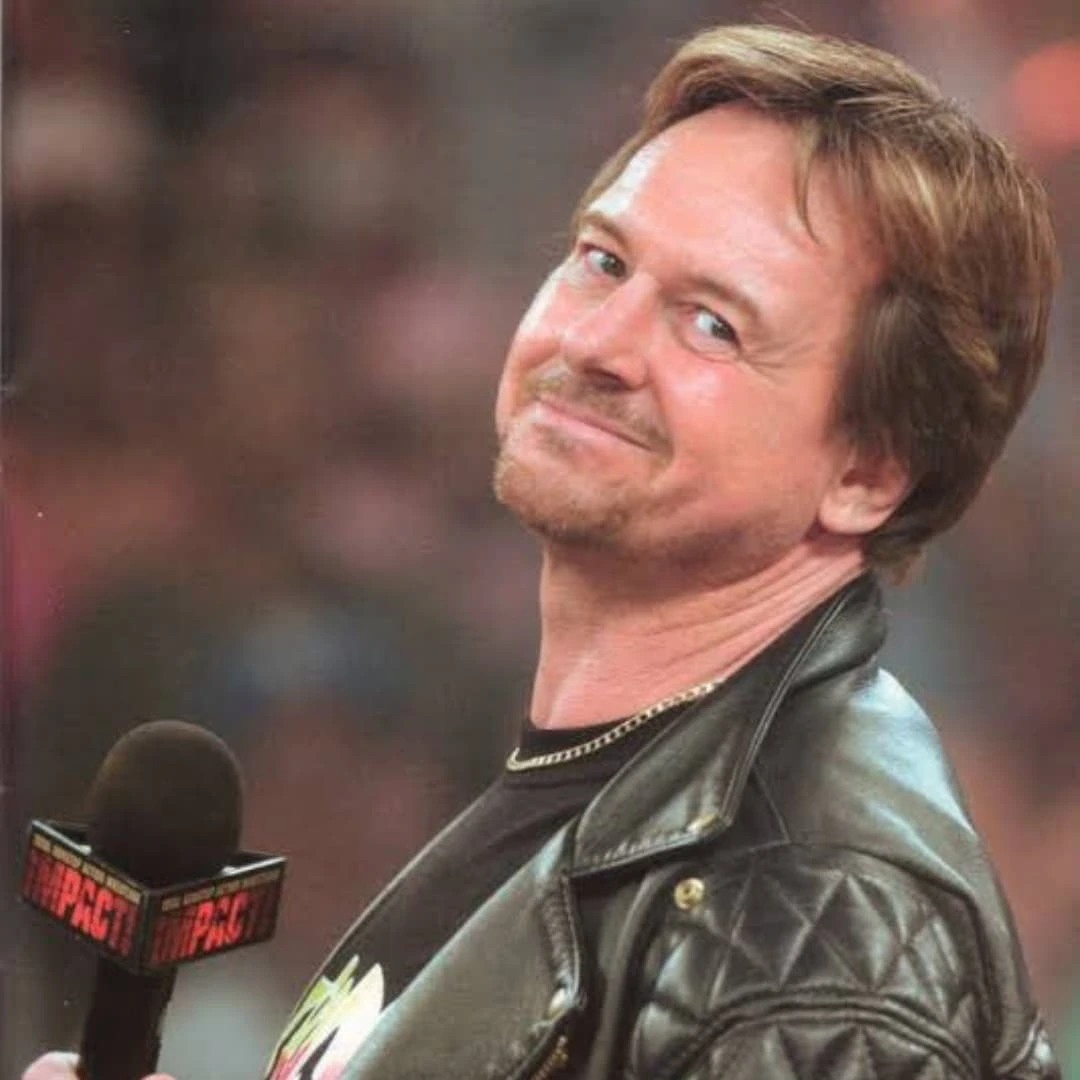
Roddy Piper’s professional wrestling career began in the late 1960s and early 1970s as he trained under a variety of regional promoters and coaches in North America. He first wrestled under the name “Roddy the Piper” and quickly developed his signature Scottish bagpipe gimmick.
By his late teens he was competing in small Canadian and American promotions; trainers included former wrestler Gene LeBell in California and Stu Hart in Canada, which gave him a strong foundation in the ring. Early in his career Piper worked in territories such as the American Wrestling Association (AWA) in Minnesota and various National Wrestling Alliance (NWA) territories, often playing the role of an antagonistic "heel."
He began standing out for his intense interview skills and antagonistic personality, traits that would become his trademark. By the mid-1970s, Piper had established himself as a rising villain in the NWA regional circuits. He became a top heel in California’s NWA Hollywood Wrestling promotion, where he won the NWA Americas Heavyweight Championship multiple times.
His feuds with notable wrestlers like the Guerrero family created a stir; for instance, he once infamously promised to play the Mexican national anthem on his bagpipes but instead played “La Cucaracha” to enrage fans. Piper also wrestled in the Pacific Northwest under promoter Don Owen, where he won tag team and heavyweight titles.
These successes across Los Angeles, San Francisco and Portland helped build Piper’s reputation. By the early 1980s he was wrestling in the Georgia and Mid-Atlantic NWA territories, winning regional championships and mastering the verbal jabs and antics that made him notorious. This solid regional success set the stage for his ascent on the national wrestling scene.
How Rowdy Roddy Piper Started His Wrestling Career
Piper’s formal debut came at a very young age, but he refined his persona and skills through years of traveling the wrestling territory system. He initially wrestled in Canada’s Alberta and Saskatchewan regions before taking his act to the United States.
In Texas, he worked for the Von Erich family’s Big Time Wrestling, and in the Midwest he appeared in Kansas City’s Central States promotion. Wrestling in all these locales allowed Piper to hone his in-ring technique and persona.
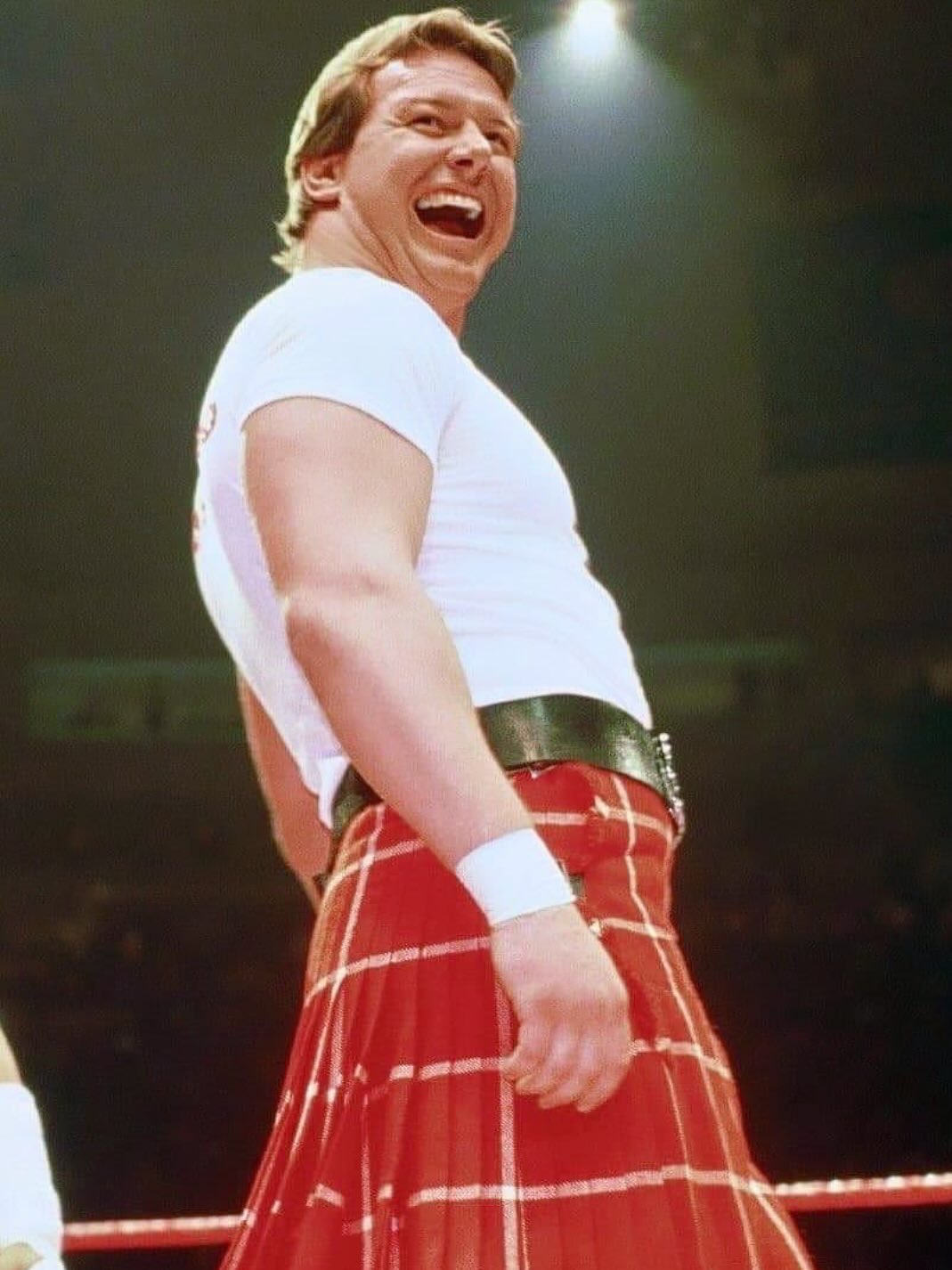
It was during this period that he fully adopted the name “Rowdy” Roddy Piper, embracing the brash, fiery character fans would come to know. His innovative use of the bagpipes as entrance music and his boisterous kilted appearance set him apart from other wrestlers of the era.
In the late 1970s, Piper increasingly blended athletic performance with character-driven interviews, a skill taught to him by veteran showmen. He began regularly conducting heated promo segments against opponents, which drew strong reactions from crowds.
By the time he entered Jim Crockett’s Mid-Atlantic territory in 1980, Piper had built a reputation as a cunning and charismatic villain. Trainers and fellow wrestlers noted that even while competing as a heel, he showed a rare level of professionalism and polish in how he spoke to the media and fans.
These early parts of his career spanning small clubs and regional TV venues gave Piper a broad experience base and made him ready for the bigger national stage of the mid-1980s.
The Breakthrough That Made Him A Wrestling Star
Piper’s first major breakthrough came in the early 1980s while in the NWA’s Georgia and Mid-Atlantic promotions. In Georgia Championship Wrestling he transitioned from heel to fan-favorite in a dramatic storyline: he intervened on behalf of legendary commentator Gordon Solie during an attack, which sparked a riotous crowd reaction.
This turning-point moment in 1982 showcased Piper’s ability to connect with fans even as he changed roles. Around the same time in Mid-Atlantic, Piper captured significant titles that elevated his profile: he won the NWA Mid-Atlantic Heavyweight Championship and took the NWA United States Heavyweight Title (often referred to simply as the “US Championship”) by defeating reigning champions like Ric Flair.
These title victories established him as a top star in the Jim Crockett Promotions (the core of the NWA). Another defining moment was Piper’s rivalry with Greg “The Hammer” Valentine. Their feud culminated at Starrcade ’83, Jim Crockett’s first big national event, in a brutal dog-collar match that was promoted as a grudge contest.
Although Valentine broke one of Piper’s eardrums in that encounter (a real injury that caused Piper to lose most of the hearing in one ear), the match was a high-profile shootout that further raised Piper’s notoriety.
By late 1983, Piper’s success in the NWA including multiple championship reigns and headline match bookings had made him a notable national wrestling figure. This groundwork set him up to break into the then-burgeoning World Wrestling Federation the following year, where he would attain his greatest fame.
Rise To Fame In The WWF
In 1984 Piper joined Vince McMahon’s World Wrestling Federation (WWF, now WWE) and quickly became one of the company’s leading personalities. He initially appeared as the manager of wrestlers like Paul Orndorff and Dr. D David Schultz before focusing on in-ring competition.
The WWF capitalized on Piper’s verbal prowess by giving him his own interview segment, Piper’s Pit, which debuted that year. On Piper’s Pit, he would famously taunt opponents and special guests live on television.
Memorable incidents on that show include Piper destroying a coconut on Superfly Jimmy Snuka’s head and taunting “Rowdy” announcer Lou Albano, who once had his guitar smashed by a record Piper broke. These segments made Piper a household name among wrestling fans.
Piper’s WWF run is often defined by marquee events of the mid-1980s. He co-headlined the very first WrestleMania in March 1985, teaming with “Mr. Wonderful” Paul Orndorff against Hulk Hogan and Mr. T. (Piper scored a pinfall on Mr. T in that main event).
He also appeared on MTV’s The War to Settle the Score, teaming again with Hogan in high-visibility cross-promotional spectacles. At WrestleMania II in 1986, Piper fought Mr. T in a celebrity boxing match, and although he lost (with boxing legend Muhammad Ali serving as referee), the event underscored Piper’s status as a crossover star.
By 1987, after a string of title feuds and sensational interviews, Piper culminated his first WWF tenure with one of his most celebrated moments: a hair-vs-hair match against Adrian Adonis at WrestleMania III.
Piper won the bout and dramatically shaved Adonis’s head, which in turn earned Piper a massive ovation from the crowd. This victory over Adonis effectively gave Piper a bow to his WWF run and cemented his legacy as one of the era’s breakout stars.
Career-Defining Rivalries And Major Wrestling Moments
Throughout his career, Piper was involved in many high-profile feuds that became part of wrestling history. In the WWF, his most famous adversaries included Hulk Hogan (with whom he traded insults and main-event matches), “Superfly” Jimmy Snuka (whose head Piper famously coconuted during an interview segment), and Adrian Adonis (the opponent Piper defeated in the hair match at WrestleMania III).
Piper also had heated on-screen confrontations with personalities like Paul Orndorff (his former protégé turned foe), Andre the Giant (notably on Piper’s Pit), and legendary manager Bobby Heenan. Each rivalry was built as a major storyline: for example, his feud with Snuka involved months of verbal brawling leading up to a cage match, and his run-ins with Hogan helped sell the first WrestleMania card.
Later in his career, Piper continued to generate big moments and rivalries in other promotions. When he returned to WWE in 1992, he captured the WWF Intercontinental Championship by defeating The Mountie, only to feud with Bret “Hit Man” Hart over that title at WrestleMania VIII (Hart won back the belt).
In 1996, as interim President of WWE, Piper again entered the ring culminating in a “Hollywood Backlot Brawl” victory over Goldust at WrestleMania XII, a match famous for the ringside demolition of Goldust’s gold Cadillac.
In World Championship Wrestling (WCW) in the late 1990s, Piper became embroiled in the company’s top storylines: he feuded with the nWo (even defeating Hulk Hogan in non-title bouts), joined forces with Ric Flair and the Four Horsemen, and took on Randy Savage in various matches.
His final championship win occurred on WCW television in 1999 when he captured the vacant WCW United States Heavyweight Title from Bret Hart, a short reign that nonetheless added to his list of accolades.
These feuds and matches, spanning decades and multiple organizations, are widely regarded as career highlights that showcased Piper’s ability to elevate any storyline or opponent.
Expansion Into Acting And Entertainment
Beyond the wrestling ring, Roddy Piper built a noteworthy career in film and television, often leveraging his wrestling fame and tough-guy image. His most famous role came in 1988, when he starred as “Nada” in John Carpenter’s science-fiction film They Live.
The movie became a cult classic, and Piper’s line “I have come here to chew bubblegum and kick ass, and I’m all out of bubblegum” remains one of the genre’s most quoted catchphrases.
In the same year he also took a lead role in Hell Comes to Frogtown, a post-apocalyptic action film. Throughout the 1990s and 2000s Piper appeared in a string of action and horror movies (such as Body Slam, No Contest, Marked Man and Sci-Fighters) as well as family films and even voice roles (for example, he voiced characters in animated projects like Green Lantern: Emerald Knights).
Piper also made many television appearances. He guest-starred on dramas and comedy shows (including Highlander, Walker, Texas Ranger and Cold Case), and he hosted and appeared on interview-based programs.
Late in his life he revived his interview persona with a podcast, Rowdy Roddy Piper’s Pit, which ran from 2014 to 2015. This weekly show featured Piper conducting unscripted interviews with celebrities and fellow wrestlers.
His film and TV work expanded his audience beyond wrestling fans and demonstrated his versatility as an entertainer. Overall, Piper’s transition into acting and media helped cement his status as an iconic figure whose brash style appealed to moviegoers and TV audiences as much as it did to wrestling crowds.
Career Achievements And Industry Recognition
Over his nearly four-decade career, Roddy Piper accumulated an impressive list of championships and honors across multiple wrestling organizations. He won numerous regional NWA titles (for instance, the NWA Americas Heavyweight Championship five times in California and twice the NWA Pacific Northwest Heavyweight Championship in Oregon) and had a hallmark run in Jim Crockett Promotions/NWA Mid-Atlantic, where he held the Mid-Atlantic Heavyweight Title twice and the NWA United States Heavyweight Title on three occasions.
In the WWF, Piper held the Intercontinental Championship once (early 1992) and was World Tag Team Champion once (teaming with Ric Flair to win the belts in 2006). In WCW, his status as a veteran was underscored by his U.S. Heavyweight title win in 1999, adding to his legacy of championship bouts. By some counts, Piper held well over twenty recognized titles in various promotions during his career.
In addition to titles, Piper’s contributions were recognized through prestigious awards and hall of fame inductions. He was a two-time Pro Wrestling Illustrated Wrestler of the Year awardee as Most Hated (1984, 1985) and was ranked among the top wrestlers of the 1980s in several publications.
In 1996 Piper was inducted into the Wrestling Observer Newsletter Hall of Fame, and in 2005 he was a WWE Hall of Fame inductee (where Ric Flair lauded him as “the most gifted entertainer in the history of professional wrestling”).
Other honors include induction into the Canadian Professional Wrestling Hall of Fame (Class of 2022), the Professional Wrestling Hall of Fame (Class of 2007), and the George Tragos/Lou Thesz Hall of Fame (Class of 2008).
Even years after retiring from full-time competition, he captured one last championship by winning the WWE Tag Team Title with Ric Flair at a 2006 event. All of these accolades titles, awards, and hall of fame memberships underscore Piper’s impact on the industry and the respect he earned from peers and promoters alike.
Legacy And Lasting Influence In Professional Wrestling
Roddy “Rowdy” Piper’s legacy in wrestling is profound and enduring. He is widely remembered as one of the greatest “heels” (villains) of all time, in part because he revolutionized in-ring talk segments and character work.
His unique combination of intensity and humor set a template that many later wrestlers would follow. Fellow wrestlers and broadcasters frequently cite his promo skills as inspirational.
For example, Flair’s praise of Piper as “the most gifted entertainer” reflects how Piper’s peers viewed his talent. Piper himself often captured his approach in catchphrases; one of his best-known lines was “I wouldn’t lay my shoulders down for anybody. But when I do, I make somebody. And it means something,” underscoring how his very losses were built to elevate other wrestlers.
Even after he passed away in 2015, Piper’s influence continues. His memorable entrance (bagpipes and kilt), confrontational interview segments, and charismatic fearlessness remain embedded in wrestling culture.
He is frequently ranked among wrestling’s greatest by media and fan polls, and television retrospectives often feature his iconic moments. Piper helped propel the WWF to mainstream popularity in the 1980s and proved that a wrestler could be a star in multiple arenas (rings, TV studios, Hollywood sets).
Modern wrestlers and promoters still look back on Piper’s career for inspiration on how to blend showmanship with athletic competition. In these ways, Roddy Piper’s impact on professional wrestling endures: his career accomplishments, pioneering style, and larger-than-life character continue to influence the sport’s performers and storytelling long after his active years.
Rowdy Roddy Piper Net Worth
At the time of his death, Rowdy Roddy Piper’s net worth was estimated to be around $4 million. This figure has not been officially verified by major financial authorities. His income came primarily from professional wrestling, including his work with WWF/WWE and WCW, as well as acting in films, television, and voice roles. However, detailed earnings from these sources have not been publicly disclosed
FAQs
1. Who Was Rowdy Roddy Piper?
Rowdy Roddy Piper was a Canadian professional wrestler and actor known for his charismatic personality and strong interview skills. He became one of the most recognizable figures in wrestling during the 1980s.
2. When And Where Was Rowdy Roddy Piper Born?
He was born on April 17, 1954, in Saskatoon, Saskatchewan, Canada. He grew up in several Canadian cities before settling in Winnipeg.
3. What Made Rowdy Roddy Piper Famous In Wrestling?
Piper gained fame for his role as a “heel” (villain) and his exceptional promo ability. His segment “Piper’s Pit” helped establish him as a major star in the WWF.
4. What Was Rowdy Roddy Piper’s Most Famous Match?
One of his most notable matches was the main event of WrestleMania I in 1985, where he teamed with Paul Orndorff. He also had a well-known dog-collar match against Greg Valentine at Starrcade 1983.
5. Did Rowdy Roddy Piper Have A Career Outside Wrestling?
Yes, Piper appeared in several films and television shows. His most recognized role was in the 1988 film They Live, which became a cult classic.

Chloe Anderson
Author
Chloe Anderson is a passionate explorer of the world of celebrity finance, known for her keen insights and captivating storytelling. With a background in finance journalism, Chloe has a knack for unraveling the financial mysteries behind the stars.
Her journey into the fascinating realm of celebrity net worth began with a deep curiosity about how fame and fortune intersect. Chloe believes that understanding the financial lives of iconic personalities adds a unique layer of intrigue to their captivating stories.
With a commitment to delivering accurate and engaging content, Chloe takes you on a journey through the financial successes, investments, and philanthropic endeavors of influential figures. She combines her expertise in finance with her love for storytelling to create articles and features that both inform and entertain.
Latest Articles
Popular Articles