Reverend Al Sharpton Net Worth 2026 Explained
Reverend Al Sharpton Net Worth in 2026 with verified details on his salary, media roles, and leadership income sources.
Author:Chloe AndersonApr 20, 2026908 Shares25.2K Views
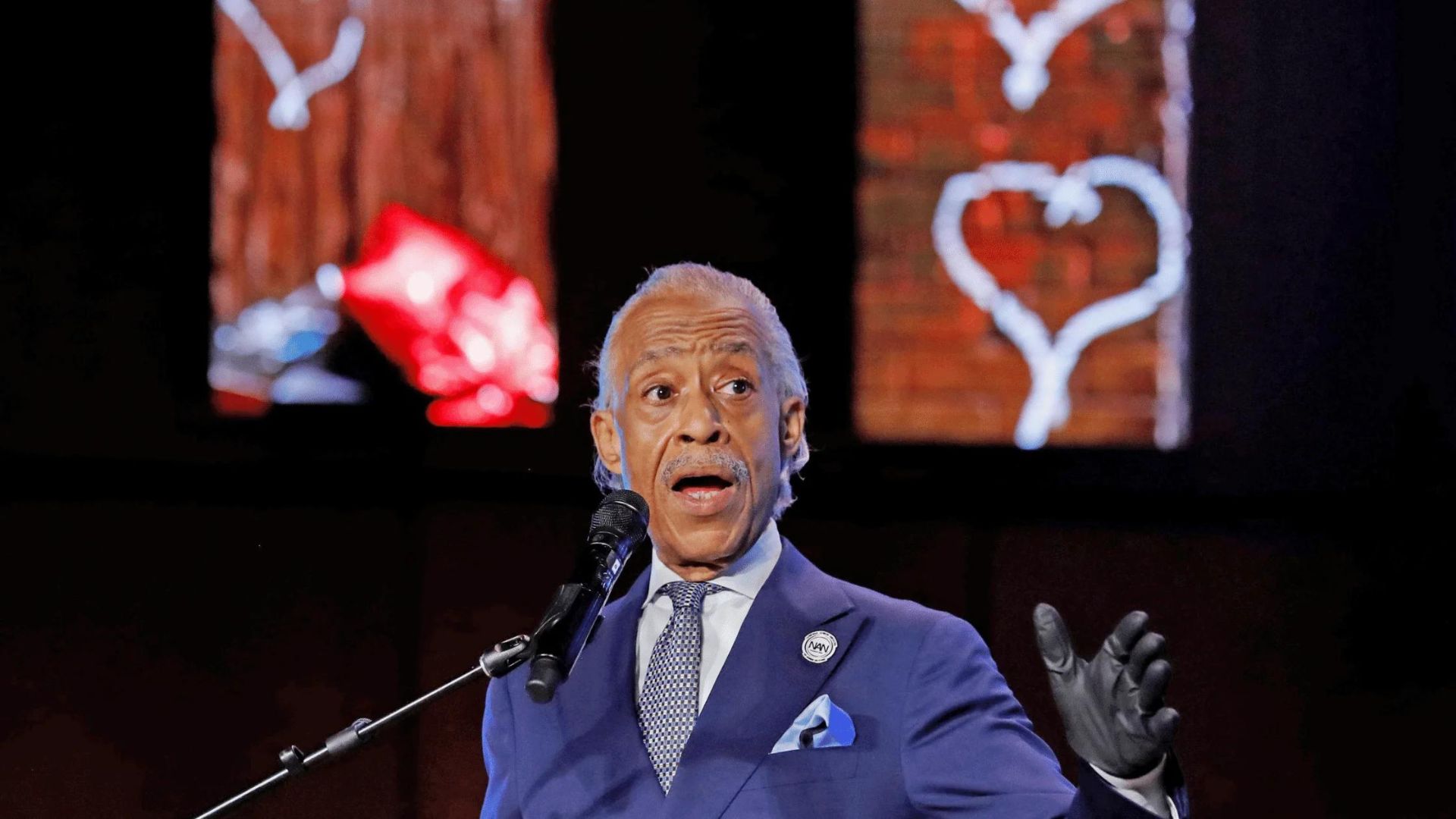
Reverend Al Sharpton was born Alfred Charles Sharpton Jr.on 3 October 1954in Brooklyn, New York. He was the son of Alfred Sharpton Sr., a carpenter/contractor, and Ada Essie (Richards) Sharpton. His mother, Ada Sharpton (née Richards), had previously been married and had two children Thomas “Sonny” Glasgow and Ernestine “Tina” Glasgow before marrying Alfred Sharpton Sr. in 1951.
In November 1951 Ada and Alfred Sharpton welcomed their first child together, Charidean “Joy” Sharpton. Alfred (Al) Sharpton Jr. was born in October 1954 as the youngest of his mother’s four children. Sharpton’s parents separated in 1964, and he and his sister Joy were thereafter raised by their mother.
Sharpton grew up in a devoutly religious family. He began preaching at age four, delivering his first sermon at Brooklyn’s Washington Temple Church of God in Christ. Within his family he quickly earned the nickname “Wonder Boy Preacher”by the age of four. His mother and family often travelled together for church engagements and social gatherings, nurturing his early interest in ministry. At age ten Sharpton was formally ordained as a Pentecostal minister, reflecting the strong religious environment of his childhood.
Sharpton was educated in New York City public schools. He graduated from Samuel J. Tilden High School in Brooklyn in 1972. After high school he briefly attended Brooklyn College(City University of New York). (His later college career did not result in a degree.)
| Topic | Verified Details (2026) |
| Reverend Al Sharpton Net Worth | Not publicly disclosed |
| Annual Salary (NAN) | ~$465,000/year |
| Primary Income Sources | NAN, MSNBC, radio |
| Date of Birth | Oct 3, 1954 |
| Age (2026) | 71 |
| Birthplace | Brooklyn, New York |
| Profession | Minister, activist, TV host |
| Organization Founded | NAN (1991) |
| Media Role | Host, PoliticsNation |
| Early Achievement | Minister at age 10 |
Early Career And Entry Into Public Activism
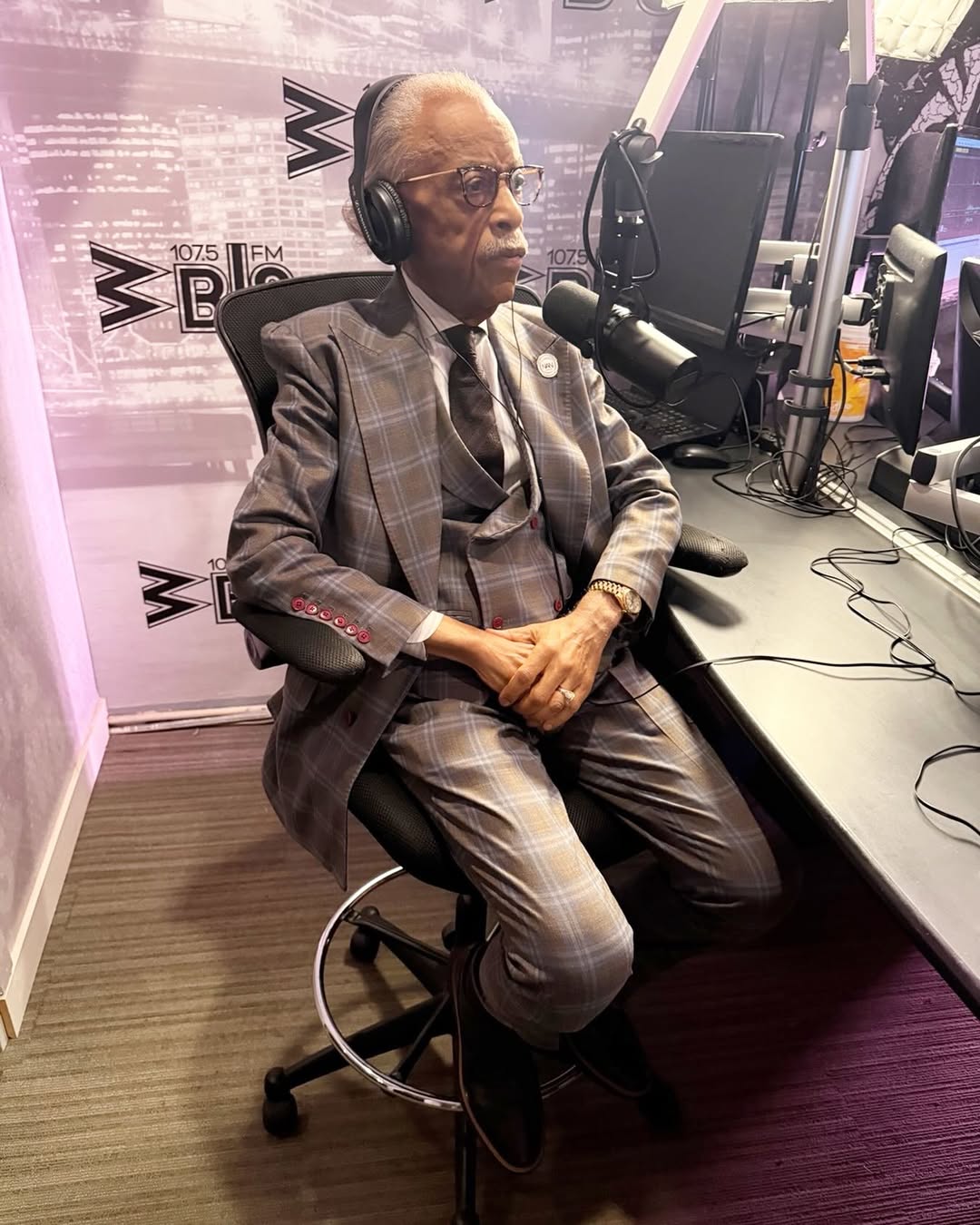
Sharpton’s public career began in childhood. He delivered his first sermon at age four and was an ordained minister by age ten, reflecting a lifelong role in preaching. As a teenager, Sharpton joined the civil rights movement’s youth efforts: at just 13 he was appointed youth director of New York’s Operation Breadbasket by Jesse Jackson and others. This role, part of the Southern Christian Leadership Conference (SCLC) economic program, gave him on-the-ground training in protest tactics and community organizing.
By age 16 he had founded the National Youth Movement, and in 1991 he launched the National Action Network (NAN), an independent civil rights organization based in New York, which he continues to lead as President.
How Reverend Al Sharpton Started His Public Career
Sharpton first drew attention to himself as a street-level activist addressing racial tensions in northern cities. In 1986 he began visibly targeting violence and injustice in New York City: for example, he painted red “X” marks on suspected crack houses and organized large protests after the death of Michael Griffith, a Black man chased to his death in Howard Beach, Queens.
These early actions established him as a leader unafraid to confront racial incidents outside the traditional South, and they marked his shift into high-profile public activism. His role in these protests earned national notice, demonstrating his willingness to mobilize communities whenever racial violence occurred.
The Campaigns That Brought Him National Attention
Throughout the late 1980s and 1990s Sharpton led several high-profile campaigns that made him a nationally recognized civil rights figure. He organized and spoke at mass demonstrations following racially charged crimes, drawing media coverage and often putting himself at the center of public discourse.
For example, in 1989 he led protests in Bensonhurst, Brooklyn after 16-year-old Yusuf Hawkins was killed by a white mob. His flamboyant style and rhetoric during such campaigns helped cement his reputation; a 2020 Associated Press profile noted that Sharpton “came to be known as a political strategist skilled at staging direct-action protests,” crediting him with making cases like Hawkins’ widely known.
He gained similar attention organizing demonstrations after other incidents in New York, including the Bensonhurst and Howard Beach cases, and he frequently brought national media to bear on these local events.
Rise As A Leading Voice In Civil Rights Advocacy
By the early 1990s Sharpton had become a leading national voice in the broader civil rights movement. In 1991 he founded NAN, which under his leadership grew into a major civil rights organization with over 100 chapters across the United States and offices in major cities (New York, Washington DC, Atlanta, Miami, Los Angeles, Detroit, etc.).
This provided an institutional base for his advocacy. He also began to be recognized by national figures: at NAN’s 2007 convention President Barack Obama praised Sharpton as “the voice of the voiceless and a champion for the downtrodden.”
Sharpton’s annual conferences routinely drew thousands of participants and prominent speakers. For example, at NAN’s 2016 convention marking the organization’s 25th anniversary, roughly 10,000 people gathered in New York City, with both Hillary Clinton and Bernie Sanders addressing the event.
Such milestones demonstrated Sharpton’s status as a mainstream civil rights leader bringing together activists, clergy, politicians and media figures in dialogue on issues from voting rights to gun violence.
Major Career Milestones In Activism And Public Leadership
Over decades, Sharpton has initiated or led many campaigns that had concrete outcomes or legislative impacts. In the late 1990s he organized large rallies and press conferences after New York police attacked Abner Louima (1997), and after New Jersey state troopers shot four young players during a traffic stop (1998), pushing for accountability and policy changes (the latter protest helped prompt statewide police reforms).
When Amadou Diallo was shot in the Bronx (1999), Sharpton again led protests calling for justice. Six years later, after the police killing of Sean Bell in Queens (2006), Sharpton led massive citywide demonstrations, including shutdowns of bridges and tunnels to demand federal oversight.
His leadership extended into the 2010s: in 2014, after Eric Garner died in New York City in a police chokehold, Sharpton organized rallies with Garner’s mother and later testified before Congress demanding federal policing reforms.
He became known for adding moral and political pressure in many such cases; a 2020 AP profile noted that Sharpton’s protests helped bring victims like Diallo, Louima and Bell to public attention as household names.
Sharpton has also engaged directly in the political process at key moments. He ran for public office several times: in 1992 he campaigned for the U.S. Senate Democratic nomination in New York (receiving about 15% of the vote), later sought the New York City mayoralty, and in 2004 he ran for the Democratic presidential nomination.
Although he did not win these elections, his campaigns brought civil rights issues into electoral politics. Similarly, he has influenced legislation: for instance, Sharpton was a lead organizer of the 2017 “One Thousand Ministers March” marking the anniversary of the March on Washington, which focused on the George Floyd Justice in Policing Act and the John Lewis Voting Rights Act as key goals. In 2020 he delivered a highly publicized eulogy for George Floyd, humanizing Floyd’s case and calling for accountability.
Reverend Al Sharpton’s Role As A Baptist Minister And Public Figure
Sharpton is an ordained minister, and his religious identity has infused his public career. He began preaching at age four at the Washington Temple Church of God and Christ in Washington, D.C. and built on that foundation throughout his life.
Although raised Pentecostal, he later became active in the Baptist community and often integrates faith themes into his activism. For example, Sharpton regularly leads and speaks at church-based events, including weekly NAN rallies that have the character of prayer gatherings and sermons.
He has held pastoral roles (such as leading Zion Baptist Church in Washington, D.C.) and frequently delivers eulogies and sermons at memorials and religious services related to civil rights cases.
In media and at NAN events he often invokes the language of ministry; for instance, his radio programs include “The Hour of Power,” and NAN broadcasts weekly “Saturday action” rallies live from its Harlem headquarters
Media Presence And Influence On National Conversations
Beginning in the 2000s Sharpton expanded his career into broadcasting and political commentary. He has been a fixture on cable news and radio, using these platforms to advance civil rights discussions.
Notably, Sharpton anchors MSNBC’s weekend news and commentary program PoliticsNation, which as of 2026 airs on weekends at 5 p.m. Eastern. He has also hosted nationally syndicated radio talk shows for example, Keepin’ It Real, which airs weekdays in multiple markets and in total his radio programs reach dozens of stations and millions of listeners.
Through these roles he regularly highlights issues of policing, voting rights, inequality and other topics on a national stage. Sharpton has additionally served as a frequent guest or guest host on other network shows, bringing civil rights perspectives to a broad audience.
This media presence has made him an influential voice in shaping public discourse: by commenting on current events and interviewing leaders, he has helped keep social justice issues prominent in news coverage.
Career Legacy And Long-Term Impact On Civil Rights
Over more than fifty years, Sharpton’s career has spanned organizing in the streets, leading institutions and participating in media, making him one of the most prominent American civil rights figures.
He and NAN have become go-to resources for many families affected by racial violence; for example, mothers of Michael Brown, Tamir Rice, Eric Garner, Trayvon Martin, and other victims have all turned to Sharpton for support and advocacy.
The organization’s consistent pressure has contributed to systemic changes for instance, NAN’s campaigns helped prompt federal investigations and consent decrees on policing practices in numerous cities (from Newark and Baltimore to Los Angeles and Oakland).
His leadership has been recognized by peers and the press: Vanity Fair in 2014 called Sharpton “arguably the country’s most influential civil rights leader,” reflecting how his work bridges past civil rights struggles and modern movements. Sharpton has also authored books and lectured on racial justice, solidifying his reputation as an authority on these issues.
Current Work, Recent Public Activities, And Ongoing Advocacy
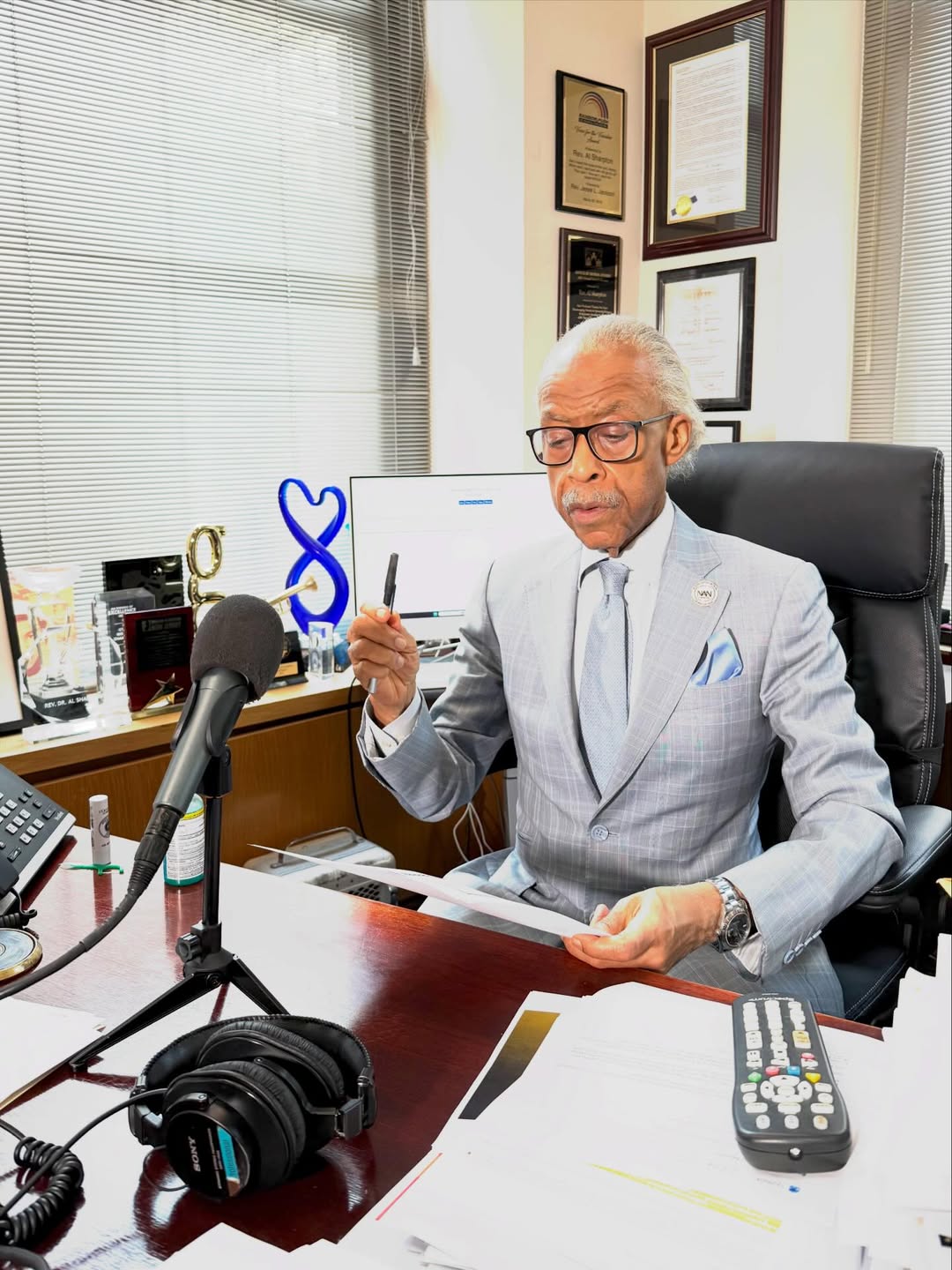
Reverend Sharpton continues to lead NAN and advocate on key issues today. He remains founder and president of the National Action Network, overseeing its chapters and programs. In the media, he still hosts PoliticsNationon MSNBC and keeps up his radio broadcasts (including Keepin’ It Real).
Sharpton stays active in organizing public events: for example, on Martin Luther King Jr. Day 2025 he led a NAN rally in Washington, D.C., where he announced plans to hold companies accountable for rolling back diversity programs.
In June 2025 he co-hosted Juneteenth celebrations in Brooklyn, focusing on voting rights and immigrant issues. Throughout 2025, he took part in campaigns such as a nationwide boycott of corporations that drop equity and inclusion initiatives.
In all these ways, Sharpton remains deeply engaged: he consistently convenes marches, conferences and town halls to address current civil rights challenges and to pressure lawmakers for reform.
In essence, his career has evolved to combine institutional leadership with ongoing street-level activism and media advocacy, and he continues to influence national conversations on justice and equality.
Reverend Al Sharpton Net Worth
As of 2026, Reverend Al Sharpton’s net worth has not been publicly disclosed, and no verified figure has been confirmed by major financial authorities. He serves as the President and CEO of the National Action Network (NAN), where he earns a documented annual salary of approximately $465,000. In addition, he generates income as a television news host on MSNBC. He has also hosted nationally syndicated radio talk shows, although specific earnings from these media roles have not been publicly reported.
FAQs
1. Who Is Reverend Al Sharpton?
Reverend Al Sharpton is an American civil rights leader, Baptist minister, and media personality. He is known for his activism against racial injustice and his leadership of the National Action Network.
2. What Is The National Action Network (NAN)?
The National Action Network is a civil rights organization founded by Sharpton in 1991. It advocates for social justice, voting rights, and police reform across the United States.
3. What Is Al Sharpton Known For In Civil Rights Activism?
Sharpton is known for leading protests and advocacy efforts in high-profile cases involving racial injustice. His work has helped bring national attention to issues of policing and equality.
4. Has Al Sharpton Held Any Political Roles?
Sharpton has not held elected office but has run for positions including U.S. Senate and the Democratic presidential nomination. His campaigns focused on civil rights and social justice issues.
5. What Media Roles Does Al Sharpton Have?
Sharpton hosts the MSNBC program PoliticsNationand has worked as a radio talk show host. Through media, he comments on politics, civil rights, and current events.

Chloe Anderson
Author
Chloe Anderson is a passionate explorer of the world of celebrity finance, known for her keen insights and captivating storytelling. With a background in finance journalism, Chloe has a knack for unraveling the financial mysteries behind the stars.
Her journey into the fascinating realm of celebrity net worth began with a deep curiosity about how fame and fortune intersect. Chloe believes that understanding the financial lives of iconic personalities adds a unique layer of intrigue to their captivating stories.
With a commitment to delivering accurate and engaging content, Chloe takes you on a journey through the financial successes, investments, and philanthropic endeavors of influential figures. She combines her expertise in finance with her love for storytelling to create articles and features that both inform and entertain.
Latest Articles
Popular Articles