Molly Bloom Net Worth 2026: Career & Earnings Guide
Molly Bloom Net Worth insights with a focus on her career milestones, income streams, and how she rebuilt her finances after legal challenges.
Author:Chloe AndersonApr 28, 2026-1 Shares-.3K Views
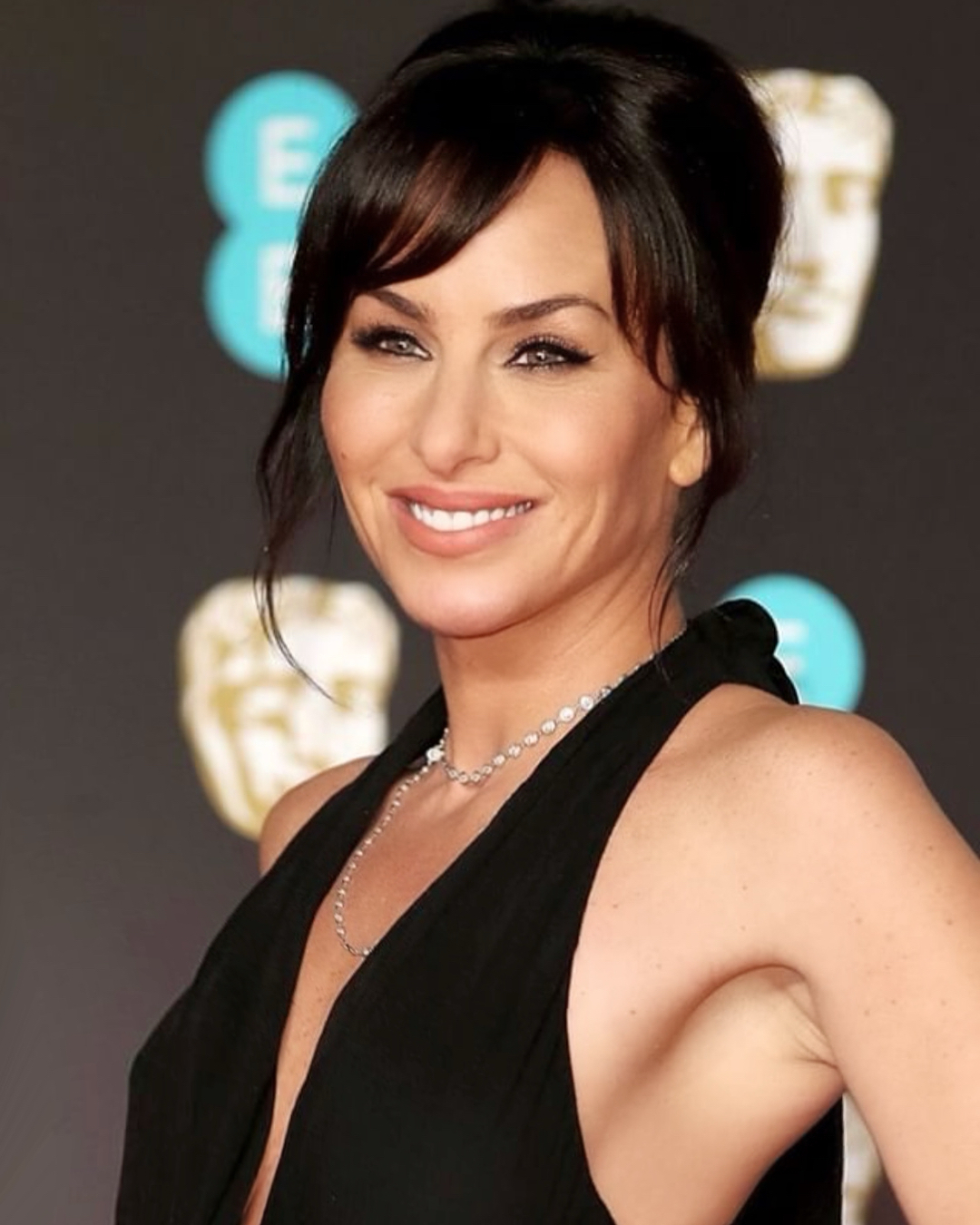
Molly Bloom was born in Loveland, Colorado in the late 1970s. She grew up in Loveland with her family in what has been described as a “high-achieving” household. Her father, Larry Bloom, is a clinical psychologist who served as a professor at Colorado State University. Her mother, Charlene “Char” Bloom, worked as a ski and fly-fishing instructor. Molly Bloom is the sister of Jeremy Bloom, who later became a two-time Olympic freestyle skier and college football player.
Bloom attended the University of Colorado Boulder, where she studied political science. As a child and teenager she was an avid skier – she worked her way onto the U.S. Ski Team in the moguls discipline. Bloom has recalled that from a young age she was very competitive in athletics, often feeling intense pressure to win races and competitions at school. Her early years in Colorado – surrounded by mountains and family members who were accomplished athletes – were marked by a strong emphasis on sports and outdoor activity.
| Key Fact | Details |
| Full Name | Molly Bloom |
| Birth | 1978, Colorado, USA |
| Net Worth 2026 | Not publicly disclosed |
| Income Sources | Book, speaking, media |
| Early Career | Professional moguls skier |
| Sports Highlight | U.S. Olympic trials qualifier |
| Education | B.A. Political Science |
| Poker Career | Ran elite private poker games |
| Legal Outcome | 2014 probation, fine |
| Current Work | Author, keynote speaker |

Early Career As A Competitive Skier
Molly Bloom began her professional journey in sports, establishing herself as a top-level freestyle moguls skier. Despite a major back surgery in her youth, she recovered and by age 19 had made the U.S. Ski Team. In 1999 she achieved third place in the North American Cup (women’s moguls) and secured a spot in the U.S. Olympic trials. A freak accident – her ski hit a branch – forced Bloom into early retirement from competitive skiing. She finished college (a political science degree) with plans for law school, but those plans were soon eclipsed by a new career path.
Transition From Sports To The Poker Industry
After college Bloom relocated to Los Angeles and took a job as a personal assistant, initially intending to spend a year before returning to law school. While working for an entertainment executive she began serving drinks at a high-stakes poker game hosted at the Viper Room, a circle that included Hollywood actors and financiers. Seeing the networking opportunity, she decided to immerse herself in the game rather than law school.
Bloom soon consulted with attorneys and launched her own private poker room. According to Bloom, she “took the risk of starting her own poker game business,” and when she held her inaugural game the following month every invitee showed up. This marked the start of Bloom’s poker industry career.
How Molly Bloom Built High-Stakes Poker Networks
Bloom systematically grew her poker operations into an exclusive, high-revenue network. In Los Angeles she emphasized personalized service, writing detailed notes and improving the player experience, which turned her games into “the game everyone attended” in Hollywood. Over roughly six years her Los Angeles enterprise generated millions of dollars in action. When a conflict with a co-host over sharing the profits arose, Bloom relocated to New York City in 2008 to expand her business.
By the end of 2008 she had established what she described as the largest private poker game in the world, featuring $250,000 buy-in tables and multiple simultaneous games. These New York games were massive in scale; Bloom reports that at their height her underground poker network was making on the order of $4–6 million per year. In building these operations, Bloom personally curated elite player lists and maintained a reputation for exclusive, high-stakes entertainment.
The Rise Of The “Poker Princess”
As Bloom’s poker business thrived, media outlets took notice. She registered her company (Molly Bloom Inc.) in 2007 and began hosting private games at luxury homes and hotels. Her clientele included A-list actors, professional athletes and Wall Street executives, with pot sizes sometimes exceeding a million dollars. This profile – an entrepreneur running celebrities’ underground poker nights – earned her the tabloid nickname “Poker Princess.”
Bloom embraced the comparison, which reflected the unique position she held as a young businesswoman in a male-dominated world of gambling. The nickname followed her through the late 2000s as her poker empire became legendary among Hollywood and finance circles.
Legal Challenges And Career Turning Point
Bloom’s lucrative poker career ended abruptly when federal authorities shut down the operation. In April 2013 she was charged by U.S. prosecutors as part of a larger illegal gambling and money-laundering investigation. Bloom eventually pleaded guilty in December 2013 to running an illegal gambling business. In May 2014, U.S. District Judge Jesse Furman sentenced her to one year of probation (no prison time), a fine, and 200 hours of community service.
(The judge noted that Bloom had played a relatively minor role in the wider criminal enterprise.) These legal developments marked a decisive turning point: Bloom’s underground poker network was dismantled and her gaming career effectively ended.
Reinvention As An Author And Public Speaker
After the legal case closed, Bloom reoriented her career toward writing and speaking. In 2014 she published her memoir Molly’s Game, providing a firsthand account of building and losing the poker empire. The book became a national sensation and cemented her status as an entrepreneur and storyteller. Bloom leveraged her story to transition into keynote speaking, focusing on lessons of risk, resilience and integrity.
She often cites her background in sports and business in talks, noting for example that “in sports, especially skiing, you have to be comfortable with risk.” Bloom has remarked that she views setbacks as a chance to “rewrite” her story – a theme she emphasizes as a coach and motivational speaker. Through public speaking and media interviews she has consistently framed her experiences as a case study in leadership under pressure, goal-setting and ethical entrepreneurship.
The memoir also led to a Hollywood adaptation: in 2017 her story was released as the major motion picture Molly’s Game, for which screenwriter Aaron Sorkin earned an Academy Award nomination (Best Adapted Screenplay).

Major Career Milestones And Public Recognition
Bloom’s post-poker career has been marked by high-profile achievements and accolades. Her memoir and its film adaptation made Molly’s Game a cultural touchstone; the movie was widely acclaimed and cited by media outlets as a must-see drama. Bloom herself has appeared on major media platforms (including national television and NPR) to discuss her work. As a speaker, she has been invited to prestigious events, notably Fortune’s “Most Powerful Women” summit, where she addressed business and leadership audiences.
She has been asked to deliver keynote addresses at universities (for instance, a 2018 commencement) and has given talks for Fortune 500 companies and industry conferences. These engagements reflect Bloom’s recognized expertise in motivational storytelling; outlets like Forbes and NPR have profiled her journey as an example of entrepreneurial resilience and reinvention.
Current Work, Speaking Engagements, And Professional Activities
In recent years Molly Bloom has continued to build on her entrepreneurial and speaking career. She launched TORCHED in 2022, an award-winning podcast that explores sports competitions and controversies (including Olympic drama), using it as another platform to connect with audiences. Bloom also co-founded the One World Group (in 2020) to support women’s leadership and entrepreneurship, although her primary focus remains as a speaker and media figure.
Since 2021 she has been a sought-after keynote speaker for corporate and industry events: for example, she has delivered presentations to Fortune 1000 companies such as Comcast and U.S. Bank. She routinely speaks on topics like high-performance teams, risk management and storytelling. Bloom continues to draw on her diverse career experiences – Olympic-level sports, high-stakes business, and legal lessons – to offer insights to her audiences.
In interviews and at events, she emphasizes learning from past mistakes and moving forward with purpose, encapsulated in her favorite mantra that “when you don’t like the way a story is going, you can rewrite it.” As of 2026, Molly Bloom remains active professionally as an author, entrepreneur and motivational speaker, leveraging her unique career trajectory to inspire and educate others.
Molly Bloom Net Worth
As of 2026, Molly Bloom’s net worth is not publicly disclosed, and no figure has been officially verified by major financial authorities. Her income primarily comes from her work as an author and public speaker. Her 2014 memoir, Molly’s Gamelater adapted into a 2017 film generates royalties and licensing revenue. In addition, she earns fees from paid speaking engagements and hosts a sports-themed podcast. However, the exact earnings from these activities have not been publicly disclosed.
FAQs
1. Who Is Molly Bloom?
Molly Bloom is an American author, entrepreneur, and former organizer of high-stakes private poker games. She is best known for her memoir Molly’s Game, which was later adapted into a film.
2. Why Is Molly Bloom Called The “Poker Princess”?
She earned the nickname “Poker Princess” from media outlets due to her role in organizing exclusive poker games for celebrities and wealthy clients. The term reflects her unique position in a male-dominated industry.
3. What Happened To Molly Bloom’s Skiing Career?
Her skiing career ended after a serious accident during Olympic qualifying, when a ski caught a branch. This incident forced her to retire from competitive skiing at a young age.
4. Was Molly Bloom Involved In Illegal Activities?
She was charged in 2013 for her involvement in an illegal gambling operation. Bloom later pleaded guilty and received probation, a fine, and community service.
5. What Is Molly Bloom Doing Now?
Molly Bloom currently works as an author, keynote speaker, and podcast host. She focuses on topics such as leadership, resilience, and decision-making.

Chloe Anderson
Author
Chloe Anderson is a passionate explorer of the world of celebrity finance, known for her keen insights and captivating storytelling. With a background in finance journalism, Chloe has a knack for unraveling the financial mysteries behind the stars.
Her journey into the fascinating realm of celebrity net worth began with a deep curiosity about how fame and fortune intersect. Chloe believes that understanding the financial lives of iconic personalities adds a unique layer of intrigue to their captivating stories.
With a commitment to delivering accurate and engaging content, Chloe takes you on a journey through the financial successes, investments, and philanthropic endeavors of influential figures. She combines her expertise in finance with her love for storytelling to create articles and features that both inform and entertain.
Latest Articles
Popular Articles