When Mary Tyler Moore Passed Away, What Was Her Net Worth?
A clear look at Mary Tyler Moore Net Worth, covering earnings from TV, films, and MTM Enterprises, plus what is publicly known.
Author:Chloe AndersonMar 28, 20261.4K Shares80.8K Views
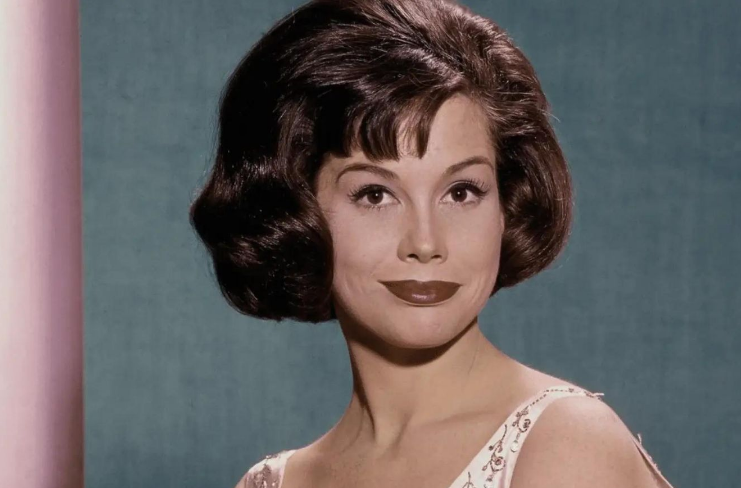
Mary Tyler Moore was born on December 29, 1936, in Brooklyn, New York. She was the daughter of George Tyler Moore and Marjorie (Hackett) Moore. Her father worked as a clerk, and she was the eldest of three children, raised in a devout Catholic household. Moore spent part of her childhood living with her grandmother and aunt due to her mother’s struggles with alcoholism and her father’s strict parenting.
During her early years, Moore grew up in the Flatbush section of Brooklyn, where her family was one of the only Catholic families in an otherwise Orthodox Jewish neighborhood. Her grandfather owned the house they lived in. As a child, she attended St. Rose of Lima Catholic Church, where she made her first Communion.
After World War II, when Moore was about eight years old, her family relocated to Los Angeles, California. In Los Angeles, she attended Catholic schools, including Immaculate Heart High School in Hollywood, graduating in 1955. From a young age, Moore took dance lessons and performed in school recitals, and she recalled that her goal as a student had been to be a dancer.
| Topic | Verified Information |
| Full Name | Mary Tyler Moore |
| Date of Birth | December 29, 1936 |
| Place of Birth | Brooklyn, New York, United States |
| Date of Death | January 25, 2017 |
| Age at Death | 80 years old |
| Mary Tyler Moore Net Worth | Not publicly disclosed; no officially verified figure from credible financial sources |
| Primary Income Sources | Television acting, film roles, MTM Enterprises production company, syndication royalties |
| Breakthrough Role | Laura Petrie in The Dick Van Dyke Show (1961–1966) |
| Notable Film Achievement | Academy Award nomination for Ordinary People (1980) |
| Legacy Recognition | Statue in Minneapolis (2002), Television Hall of Fame inductee (1986) |
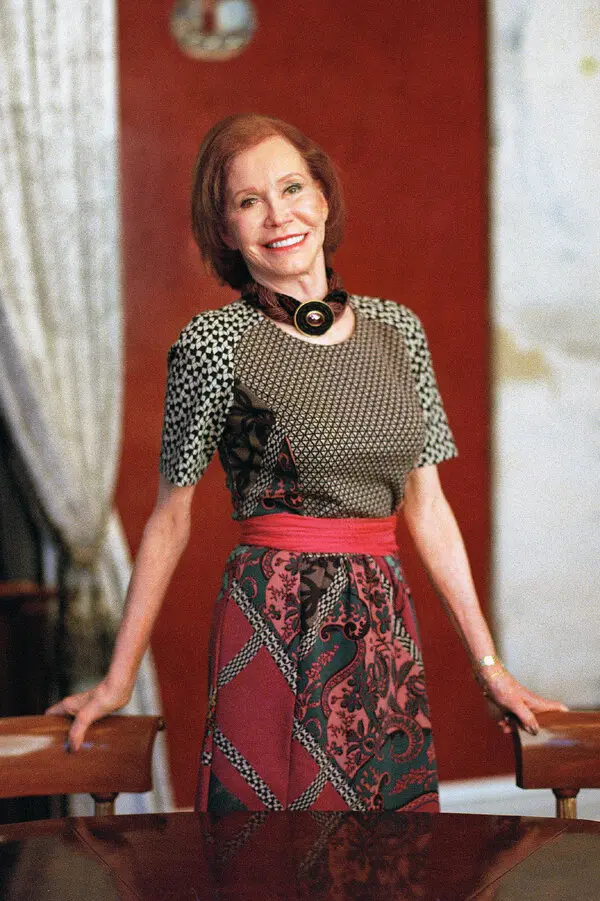
Mary Tyler Moore’s Acting Career
Mary Tyler Moore began her entertainment career in the 1950s as a dancer in television commercials and on variety shows. By the late 1950s she was taking small acting parts on TV, including a recurring role in the crime drama Richard Diamond, Private Detective(1959) and bit parts in other series.
In 1961 she made her film debut in the aviation drama X-15, marking her move from supporting television work into larger roles. Moore’s early career laid the groundwork for her breakthrough; it showcased her talent for comedy and performance, ultimately leading to her first major starring opportunity in the early 1960s.
Moore’s skills quickly attracted attention, setting the stage for her rise to stardom on television. By 1961 she had become a familiar face, and in that year she won the role of Laura Petrie on a new CBS sitcom. This set the direction for the rest of the decade: Moore would become celebrated for her comic timing and on-screen charm.
From these beginnings, she evolved from an up-and-coming performer into one of America’s most popular television actresses.
Breakthrough Role In The Dick Van Dyke Show
Mary Tyler Moore achieved national fame in 1961 when she was cast as Laura Petrie on The Dick Van Dyke Show. Created by Carl Reiner, this sitcom followed a television comedy writer (Dick Van Dyke) and his family life. Moore’s character, Laura Petrie, was a witty stay-at-home wife and former dancer.
This role turned Moore into a household name. Viewers praised her natural humour and graceful screen presence. Moore’s performance earned widespread acclaim – she won the Primetime Emmy Award for Best Lead Actress in a Comedy Series in 1964 and again in 1966. By the end of its five-season run (1961–1966), The Dick Van Dyke Showwas hailed as one of television’s smartest and funniest comedies, and Moore was recognised as one of its standout performers.
In portraying Laura Petrie, Moore brought depth to the typical television wife. Her Laura combined elegance with a dash of playful irreverence. Critics noted that Moore made the character much more than a traditional sitcom housewife – showing her quick wit and intelligence in everyday situations.
The role displayed Moore’s flair for physical comedy as well, and gave her a strong platform for her later success. The Dick Van Dyke Showremains remembered in part for how Moore transformed the part of Laura into an endearing and influential television figure.
Career-Defining Success With The Mary Tyler Moore Show
The defining chapter of Moore’s career came with The Mary Tyler Moore Show, which premiered in 1970. By 1969 Moore and her husband (and CBS executive) Grant Tinker had founded a production company, MTM Enterprises. Under this banner Moore launched her own starring vehicle.
On The Mary Tyler Moore Show, she played Mary Richards, a single, 30-something woman pursuing a career as an associate producer at a fictional Minneapolis TV news station. Moore was both the lead actress and a co-producer on the series, giving her creative influence behind the scenes as well as in front of the camera.
This series was a major hit. Over its seven-season run (1970–1977) it consistently attracted high ratings and critical praise. Moore’s portrayal of Mary Richards – an independent, warm-hearted career woman – struck a chord with viewers.
The show’s writing was sharp and relatable, and its ensemble cast (including Ed Asner, Gavin MacLeod, Ted Knight, Betty White, Valerie Harper and Cloris Leachman) made it richly entertaining. The Mary Tyler Moore Showbecame famous for winning 29 Emmy Awards in total. Moore herself won three Emmys for Outstanding Lead Actress in a Comedy Series (1973, 1974 and 1976).
Under Moore’s leadership, MTM Enterprises also produced several other well-known television series during the 1970s and 1980s, including The Bob Newhart Show, Rhoda, Phyllis, Lou Grant, Taxiand Cheers. These projects further cemented her influence in the industry.
Moore’s work on The Mary Tyler Moore Showhad lasting cultural impact: it redefined what a female sitcom lead could be. In recognition of the show’s success and iconic status, a bronze statue of Moore tossing her hat (a signature scene from the series opener) was unveiled in downtown Minneapolis in 2002.
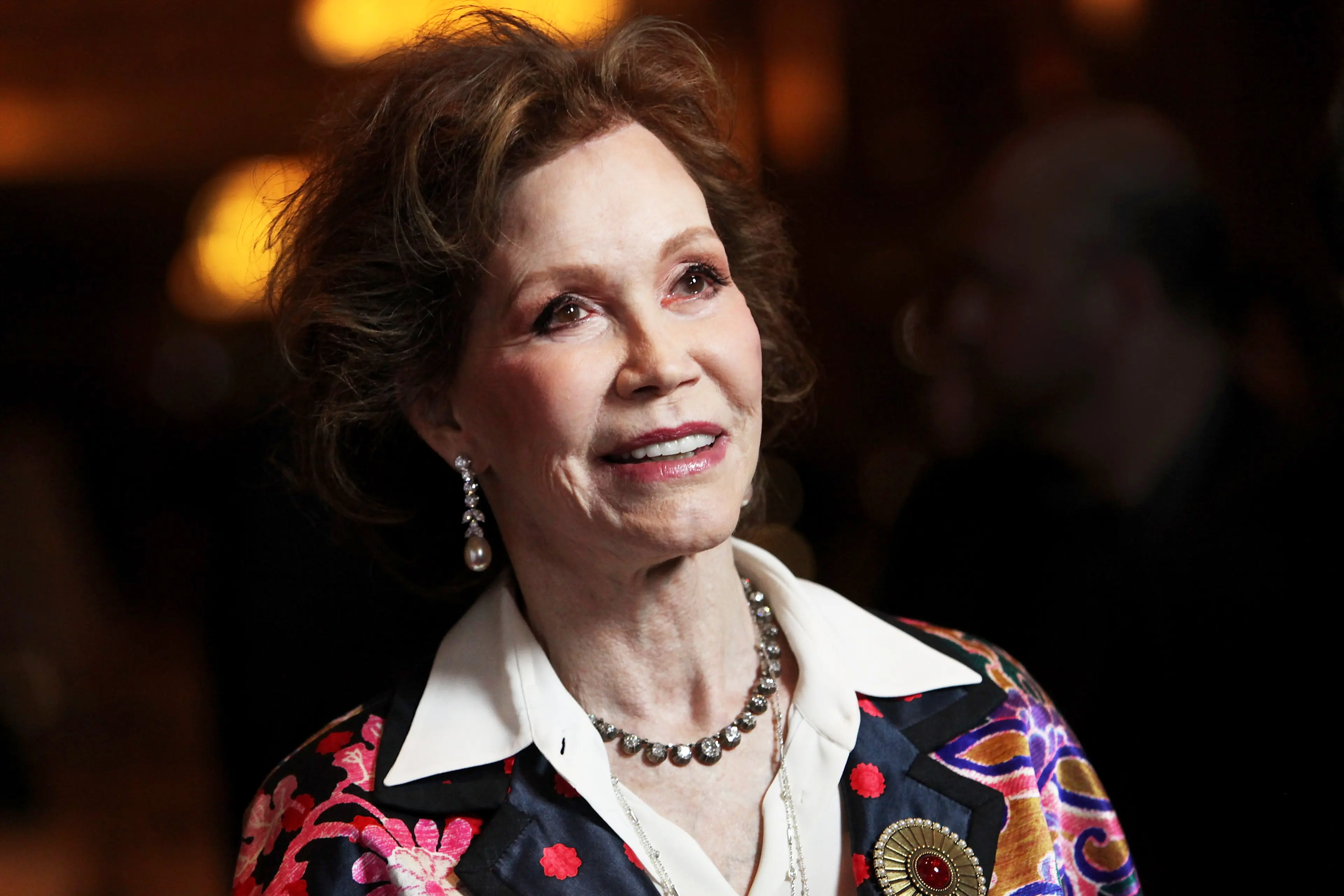
Film Career And Notable Performances
Beyond television, Mary Tyler Moore pursued roles in film and on Broadway that showcased her range. After The Dick Van Dyke Showended in 1966, Moore turned to musical films. She co-starred in the hit Thoroughly Modern Millie(1967) alongside Julie Andrews, and appeared in Change of Habit(1969), which starred Elvis Presley.
These films capitalised on her singing and dancing skills and exposed her to a wider audience as a film actress. Moore’s film work in this period was generally light-hearted musical fare.
Moore also achieved success on stage. In 1980, she starred on Broadway in the play Whose Life Is It Anyway?, playing a paralyzed sculptor. For this performance, she won the Tony Award for Best Lead Actress in a Play.
The same year she took on a dramatic film role in Robert Redford’s Ordinary People(1980). Moore’s performance as an emotionally distant mother earned an Academy Award nomination for Best Supporting Actress. Although she did not win the Oscar, she did win the Golden Globe Award for Best Actress (Drama) for that role.
Throughout the 1980s and 1990s Moore appeared in several television movies. These included First, You Cry(1978) and Heartsounds(1984), and Lincoln(1988), in which she portrayed Mary Todd Lincoln.
In 1993 she earned yet another Emmy Award – her sixth – for her leading role in the TV mini-series Stolen Babies. The project showed her talent in a serious, dramatic context.
In 1996 Moore made her last major film appearance, a supporting comedic role in Flirting with Disaster. She played the adoptive mother of Ben Stiller’s character in this offbeat comedy. These later performances rounded out a filmography that spanned musicals, drama, and comedy.
Awards, Achievements, And Industry Recognition
Mary Tyler Moore’s career was decorated with the major awards of stage, screen and television. Her honours include:
- Primetime Emmy Awards– six wins (for The Dick Van Dyke Show, The Mary Tyler Moore Showand Stolen Babies).
- Golden Globe Awards– three wins (for her acting in The Dick Van Dyke Show, The Mary Tyler Moore Showand Ordinary People).
- Tony Awards– two wins (Best Lead Actress in a Play for Whose Life Is It Anyway?in 1980, and as a producer for Best Revival of a Play or Musical for Joe Eggin 1985).
- Television Hall of Fame– inducted in 1986 for her contributions to the medium.
- Screen Actors Guild Life Achievement Award– received in 2012, recognising her career in film and television.
- Hollywood Walk of Fame– star awarded in 1992 at 7021 Hollywood Boulevard.
- Lifetime Achievement (American Comedy Awards)– honoured in 1987 for her work in comedy.
Influence On Television And Representation Of Women
Mary Tyler Moore’s work had a profound influence on American television and on the portrayal of women in media. In the early 1960s her Laura Petrie character already presented a more lively, intelligent model of a TV housewife, but it was the 1970s that marked a true breakthrough.
The Mary Tyler Moore Showwas groundbreaking for showing a single, professional woman as its protagonist. At a time when most sitcoms centred on family life, Moore’s Mary Richards was depicted building a career and making independent life choices.
The show addressed contemporary social issues through her storylines – for example, episodes dealt with Mary negotiating equal pay and balancing career goals with personal life. This was a sharp contrast to typical female roles of the day.
As a result, Mary Richards became a touchstone for viewers at the leading edge of the women’s movement. Television critics and historians credit the series with changing how audiences saw women on TV.
It helped open the door for future shows with complex female leads. The character’s blend of warmth, intelligence and self-reliance resonated with many viewers and is often cited as ushering in a “new vision” of the modern American woman.
Off screen, Moore’s role as a female co-producer and founder of MTM Enterprises similarly expanded opportunities for women behind the camera. In summary, Moore’s career symbolised the shift toward strong, independent women on television and inspired a generation of creators and performers.
Mary Tyler Moore’s Later Career And Lasting Legacy
In later years Moore’s professional focus shifted from acting to advocacy and recognition of her earlier work. After the 1970s and 1980s, she appeared infrequently on screen; one of her final acting appearances was a 2013 cameo on the sitcom Hot in Clevelandalongside several former colleagues from The Mary Tyler Moore Show.
By then, Moore had established herself as a respected elder stateswoman of television.
Concurrently, Moore devoted decades to leadership in philanthropic causes. Most notably, she served as International Chairman of the Juvenile Diabetes Research Foundation (JDRF) for over twenty years. In this role she leveraged her celebrity to raise funds and testify before Congress in support of diabetes research.
She also co-founded the Broadway Barks charity in 1999 to promote animal adoptions. These efforts underscored Moore’s role as a social advocate in her later career.
Industry recognition continued through her later life. In 2002 TV Landand the city of Minneapolis unveiled a statue of Moore in her Mary Richards persona, acknowledging her impact on television and the city that housed WJM-TV in her show.
In 2012 Moore accepted the SAG Life Achievement Award, celebrating her six decades in the entertainment business. Though she formally retired from acting, her legacy is preserved by the ongoing popularity of her television work, the tribute statue, and mentions by later celebrities as an influence on their careers.
Mary Tyler Moore is remembered as one of television’s most beloved stars. Over a 50+ year career she helped redefine female roles in comedy and drama. Her achievements as an actress and producer – and her influence on audiences and the industry – have ensured that her work endures in the history of American entertainment.
Mary Tyler Moore Net Worth
At the time of her death, Mary Tyler Moore’s net worth had not been publicly disclosed, and no figure has been officially verified by major financial authorities. Her income came from multiple sources, including her acting work in television and film most notably her starring roles in The Dick Van Dyke Showand The Mary Tyler Moore Showas well as her work as a producer.
She co-founded MTM Enterprises, a successful television production company. In addition, she earned ongoing royalties and residuals from the syndication of these programs and from her published memoirs, along with income from earlier television commercials and endorsements.
FAQs
1. When Did Mary Tyler Moore Pass Away?
Mary Tyler Moore passed away on January 25, 2017. She died at the age of 80 in Greenwich, Connecticut. Her death was confirmed by her representatives and widely reported by major news outlets.
2. What Was Mary Tyler Moore Best Known For?
She was best known for her roles in The Dick Van Dyke Showand The Mary Tyler Moore Show. These performances established her as one of the most influential actresses in television history.
3. What Awards Did Mary Tyler Moore Win?
She won six Primetime Emmy Awards, three Golden Globe Awards, and two Tony Awards. She also received the Screen Actors Guild Life Achievement Award in 2012.
4. Did Mary Tyler Moore Work As A Producer?
Yes, she co-founded MTM Enterprises with Grant Tinker. The company produced several successful television series, including Cheersand The Bob Newhart Show.
5. What Was Her Most Influential Television Role?
Her role as Mary Richards in The Mary Tyler Moore Showis widely considered her most influential. The character represented an independent, career-focused woman at a time when such portrayals were uncommon.

Chloe Anderson
Author
Chloe Anderson is a passionate explorer of the world of celebrity finance, known for her keen insights and captivating storytelling. With a background in finance journalism, Chloe has a knack for unraveling the financial mysteries behind the stars.
Her journey into the fascinating realm of celebrity net worth began with a deep curiosity about how fame and fortune intersect. Chloe believes that understanding the financial lives of iconic personalities adds a unique layer of intrigue to their captivating stories.
With a commitment to delivering accurate and engaging content, Chloe takes you on a journey through the financial successes, investments, and philanthropic endeavors of influential figures. She combines her expertise in finance with her love for storytelling to create articles and features that both inform and entertain.
Latest Articles
Popular Articles