Harold Ford Jr Net Worth: The Money Trail Explained
Harold Ford Jr Net Worth remains private in 2026, but his banking, Fox News, CME board, and congressional roles show how he earns.
Author:Chloe AndersonApr 14, 202612.7K Shares170.5K Views
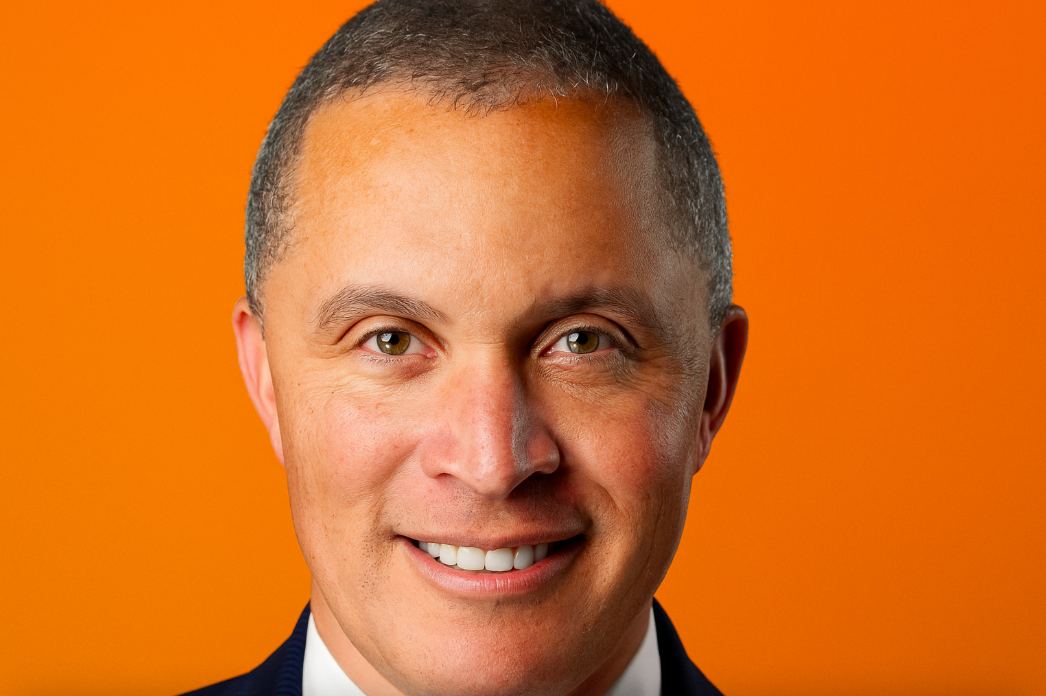
Harold Ford Jr.’s net worth remains private as of 2026, with no officially verified figure publicly available. He derives income from his work in the financial sector and media, including his role as Vice Chairman of Corporate & Institutional Banking at PNC Financial Services Group and his 2023 appointment as Regional President for PNC’s New York City market.
He is also a member of the board of directors at CME Group. In media, he co-hosts Fox News Channel’s The Fiveand contributes to Special Report. He previously held senior leadership roles at Merrill Lynch and Morgan Stanley. Specific compensation figures for these corporate and media roles have not been publicly disclosed.
| Fact | Details |
| Full Name | Harold Eugene Ford Jr. |
| Born | May 11, 1970 |
| Age (2026) | 56 |
| Birthplace | Memphis, Tennessee |
| Education | UPenn (B.A.), Michigan (J.D.) |
| Political Role | U.S. Representative (1997–2007) |
| Current Role | EVP, PNC Bank (New York) |
| Media Work | Fox News contributor (The Five) |
| Net Worth (2026) | Not publicly disclosed |
| Income Sources | Banking, media, board roles |
Congressional Salary From Ford’s Five House Terms
Harold Ford Jr. served five terms in the U.S. House of Representatives, representing Tennessee’s 9th congressional district from 1997 to 2007. During most of that period, House members earned annual salaries of about $136,700 to $165,200, based on congressional pay schedules published by the Congressional Research Service and federal payroll records.
His decade in Congress provided steady federal compensation while he built a national political profile and developed long-term influence in policy and financial circles.
Ford also served on several influential House committees, including the House Financial Services Committee and the Budget Committee. Those assignments involved banking regulation, housing finance oversight, monetary policy discussions, and federal budget negotiations. That experience later supported his move into banking and corporate advisory roles after he left Capitol Hill.
Fox News Role And Commentary Income Potential
Ford later expanded his public profile through television and political commentary. He became a regular political analyst for major television networks before joining Fox News as a co-host of The Five.
Fox News has not publicly disclosed his compensation package, and no verified salary filings are available. His long-running presence in national media has increased his visibility in financial and political commentary.
His role on The Fivemade him one of the few former Democratic members of Congress to hold a permanent co-hosting position on a major conservative news network.
Ford also frequently discusses banking regulation, economic policy, labor markets, and fiscal legislation. His financial industry background allows him to provide market-oriented commentary beyond traditional political analysis.
Financial Executive Roles Behind Ford’s Wealth
After leaving Congress, Ford moved into the financial sector through several senior-level executive roles. He joined Merrill Lynch as a vice chairman in the firm’s wealth management division, working on institutional relationships and corporate strategy initiatives. Merrill Lynch confirmed the appointment during the firm’s post-crisis restructuring period.
Ford later became a managing director at Morgan Stanley, focusing on corporate clients, public policy analysis, and strategic business development. During that period, Morgan Stanley recruited several former policymakers to strengthen ties between the banking sector and government institutions after the financial crisis.
In 2020, Ford became vice chairman of Corporate and Institutional Banking at PNC Financial Services Group. PNC confirmed the appointment in an official company announcement, describing his work as supporting national client relationships and business development across institutional banking operations.
The role placed him inside one of the largest banking organizations in the United States after PNC expanded through its acquisition strategy during the regional banking consolidation wave.
Board Seats And Advisory Work After Congress
Ford has served on multiple corporate and nonprofit boards since leaving Congress. He joined the board of directors for Sequatchie Concrete Service and later held advisory and governance roles tied to education, finance, and public policy organizations.
He also worked with several policy and academic institutions focused on economic development and leadership initiatives. Those advisory roles extended his work across corporate governance and public affairs networks.
Many of Ford’s board positions aligned with his background in government and banking. After the 2008 financial crisis increased regulatory complexity across the banking sector, companies and institutions often sought former policymakers with direct experience in federal financial regulation and legislative negotiation.
Banking And Investment Work After Capitol Hill
Ford’s post-congressional banking career developed during a period of major restructuring across the American financial system. His background in financial regulation and fiscal policy made him valuable to large banking institutions navigating new federal oversight requirements after the Dodd-Frank era.
At PNC, Ford worked in corporate and institutional banking operations, supporting middle-market companies, large corporations, and institutional clients. His responsibilities included relationship development and strategic advisory work connected to national banking clients.
His earlier roles at Morgan Stanley and Merrill Lynch reflected Wall Street’s growing interest in former policymakers with regulatory knowledge and bipartisan political experience.
During that period, financial institutions placed greater emphasis on executives who could interpret federal policy developments affecting capital markets, lending standards, and institutional compliance obligations.
Legal And Policy Expertise As A Career Asset
Ford’s legal and legislative experience became one of the central assets of his post-political career. His congressional committee work exposed him to financial regulation, securities oversight, housing policy, and federal budget negotiations years before he moved into banking.
Financial firms often value executives with direct knowledge of Washington policymaking because regulatory interpretation can significantly affect banking operations, capital allocation, and institutional strategy.
Ford’s mix of legislative experience and financial-sector leadership placed him among a relatively small group of former lawmakers who moved into senior corporate banking roles.
His media work expanded the commercial value of his policy expertise. Television appearances, economic commentary, and public speaking engagements strengthened his reputation as a political and financial analyst able to discuss regulatory policy and market conditions for national audiences.
FAQs
Who Is Harold Ford Jr?
Harold Ford Jr. is a former Democratic U.S. representative from Tennessee. He served Tennessee’s 9th congressional district from January 3, 1997, to January 3, 2007.
Where Is Harold Ford Jr From?
Harold Ford Jr. was born in Memphis, Tennessee, on May 11, 1970. His family has long been associated with Tennessee politics, including his father, Harold Ford Sr.
What Is Harold Ford Jr’s Educational Background?
Harold Ford Jr. earned a B.A. from the University of Pennsylvania in 1992 and a J.D. from the University of Michigan Law School in 1996. He also graduated from St. Albans School for Boys in Washington, D.C.
Is Harold Ford Jr Still In Elected Office?
No. Harold Ford Jr. left the U.S. House in January 2007 and was not a candidate for reelection. He ran for the U.S. Senate in Tennessee in 2006 but was unsuccessful.
Did Harold Ford Jr Write A Book?
Yes. Harold Ford Jr. is the author of More Davids Than Goliaths: A Political Education, published by Crown Books in 2010.
Has Harold Ford Jr Taught At Universities?
Yes. Harold Ford Jr. has taught public policy at Vanderbilt University and the University of Michigan.

Chloe Anderson
Author
Chloe Anderson is a passionate explorer of the world of celebrity finance, known for her keen insights and captivating storytelling. With a background in finance journalism, Chloe has a knack for unraveling the financial mysteries behind the stars.
Her journey into the fascinating realm of celebrity net worth began with a deep curiosity about how fame and fortune intersect. Chloe believes that understanding the financial lives of iconic personalities adds a unique layer of intrigue to their captivating stories.
With a commitment to delivering accurate and engaging content, Chloe takes you on a journey through the financial successes, investments, and philanthropic endeavors of influential figures. She combines her expertise in finance with her love for storytelling to create articles and features that both inform and entertain.
Latest Articles
Popular Articles