Freeway Rick Ross Net Worth 2026: Business Breakdown
Freeway Rick Ross Net Worth is based on legal ventures like cannabis and books. Review his current income sources and financial position in 2026.
Author:Chloe AndersonApr 05, 2026473 Shares21.4K Views
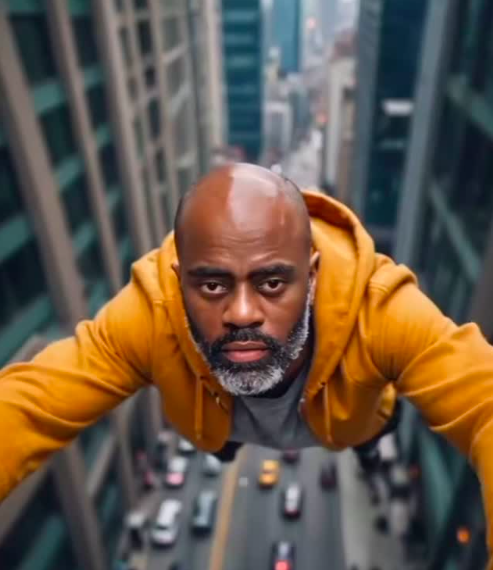
Ricky Donnell “Freeway Ricky” Ross was born on January 26, 1960, in Tyler, Texas. He is the son of Annie Mae (née Mauldin) and Sonny Ross. His mother grew up in an East Texas sharecropping family, while his father was a former U.S. Army cook who later became a pig farmer. Ross spent his early childhood in Texas, but in 1963, at the age of three, he and his mother moved to Los Angeles.
In Los Angeles, the family settled in South Central on West 87th Place, directly beneath the Interstate 110 freeway. The area was a poor, predominantly African American neighborhood with high crime rates. As Ross later recalled, there were few professional role models in his community; he often described seeing “pimps and hustlers” as the most visible figures in his environment.
Ross attended local public schools, including Manchester Elementary and later Bret Harte Junior High. He struggled academically from an early age despite progressing through elementary school, he remained unable to read. His difficulties were compounded by the violence around him; for example, he once witnessed a gang-related shooting at Bret Harte. These experiences reinforced his determination to avoid joining street gangs.
Despite these challenges, Ross developed a passion for tennis. He began playing regularly at a local park clinic and, by his early teens, had become deeply committed to the sport. His talent earned him a place on the tennis team at Susan Miller Dorsey High School, a nationally recognized program in Los Angeles.
By high school, he had become one of Dorsey’s top singles players. However, his athletic prospects came to an abrupt end when coaches discovered he was unable to read, making him ineligible for a college scholarship. Ross ultimately left Dorsey High School without graduating.
| Key Fact | Details |
| Net Worth (2026) | Not publicly disclosed; income from legal businesses. |
| Birth | Born January 26, 1960, in Texas. |
| Upbringing | Raised in South Central Los Angeles. |
| Education | Illiterate in youth; did not finish high school. |
| Early Career | Entered cocaine trade in early 1980s. |
| Empire Scale | Distributed cocaine across multiple U.S. cities. |
| Revenue | Estimated $900M generated in the 1980s. |
| Arrest | Arrested in 1996; initially sentenced to life. |
| Prison Growth | Learned to read and studied law in prison. |
| Current Work | Entrepreneur, author, and public speaker. |
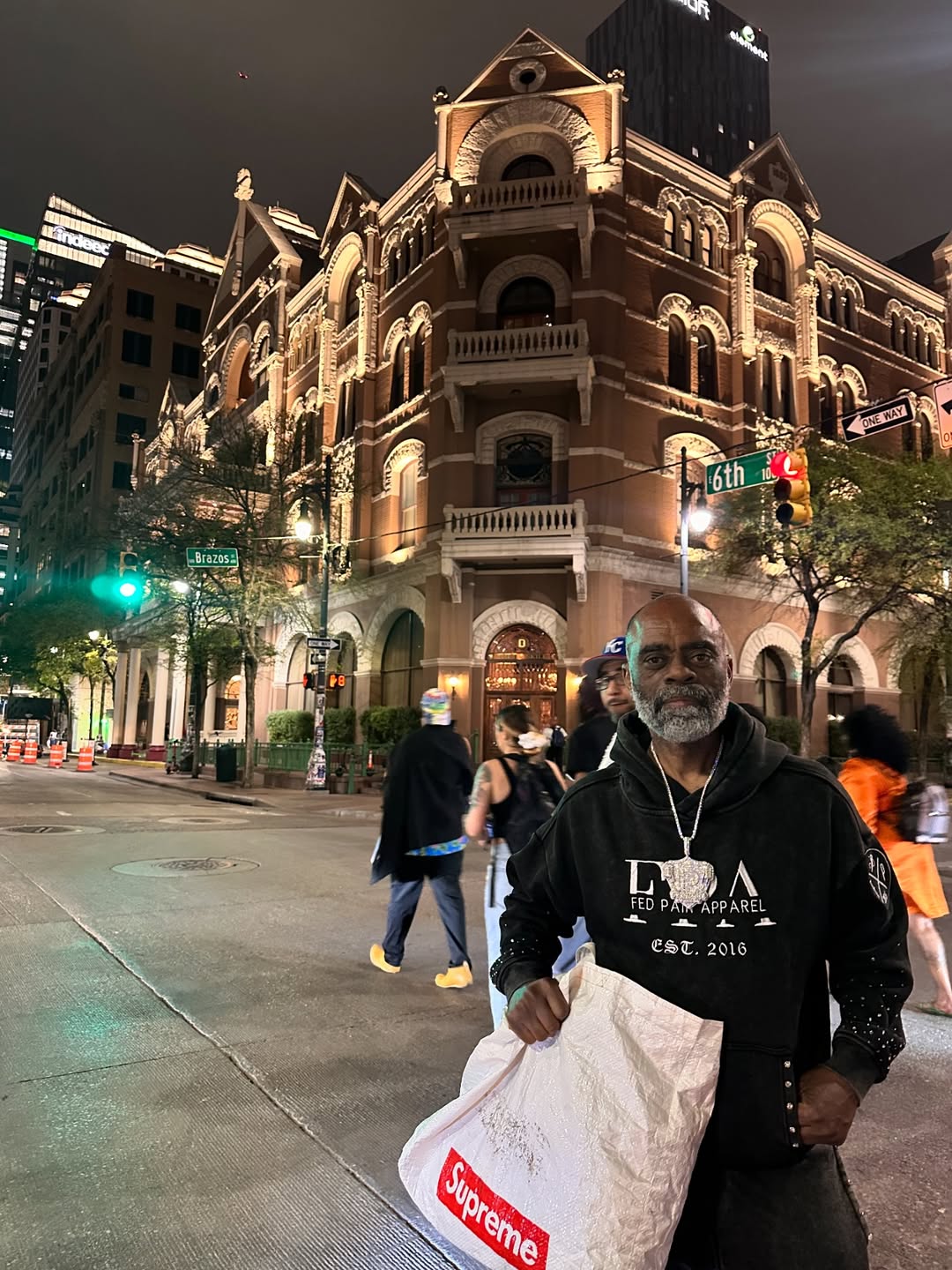
Freeway Ricky Ross Career
Ricky “Freeway Ricky” Ross emerged as one of Los Angeles’s most notorious figures during the 1980s crack cocaine epidemic. He built and managed an expansive illegal drug-distribution network throughout Southern California and beyond.
By the end of that decade, Ross oversaw the sale of multi-ton quantities of cocaine, transforming himself from an obscure street dealer into a powerful trafficking boss. His criminal career is characterized by rapid growth in distribution and influence, ultimately making him a central figure in the city’s drug trade.
Freeway Ricky Ross’s Criminal Career Overview
Ross began trafficking cocaine in the early 1980s and quickly expanded his operations. Working his way up from small-time deals, he connected with larger national suppliers to scale his business.
His nickname “Freeway Ricky” came from the freeway running through his South Central L.A. neighborhood, symbolizing how he funneled drugs into the city. Within a few years, he controlled a tightly organized distribution system that operated across gang territories in Los Angeles.
By the mid-1980s, Ross was recognized as the leading supplier of crack cocaine in the region, and he assembled a trusted team of lieutenants to manage different territories, effectively turning his street operation into a sophisticated enterprise.
Rise Of A Cocaine Empire In 1980s Los Angeles
During the 1980s, Ross capitalized on California’s emerging crack market by forming strategic alliances with major suppliers. Notably, he teamed up with Oscar Danilo Blandón, a Nicaraguan cocaine trafficker, which allowed Ross to acquire large shipments of powder cocaine at far below market prices (as low as $10,000 per kilogram).
With this cheap supply secured, Ross established distribution channels with local street gangs. Both Crips and Bloods gangs became part of his network, acting as street-level dealers to sell crack packaged from his powder supply.
Ross’s operation was characterized by franchising tactics: he provided bulk cocaine to mid-level dealers along with advice and quality control, in exchange for a share of the proceeds. In essence, he applied a business mindset to the illicit trade, using incentives and loans (commonly referred to as “fronts”) to ensure that his dealers remained loyal.
By around 1982, at just 22 years old, Ross was allegedly purchasing on the order of hundreds to a thousand pounds of cocaine per week, a scale that dwarfed most competitors at the time.
Scale Of Operations, Network, And Financial Impact
At its peak, Ross’s drug empire was enormous. Federal authorities and investigative reports estimated that between 1982 and 1989 Ross distributed roughly three tons of cocaine.
In 1980s dollars this amounted to approximately $900 million in gross sales (on the order of $2.5 billion in today’s terms) with a personal profit around $300 million. His network spanned dozens of U.S. cities; by the mid-1980s it included at least 42 cities and employed thousands of street dealers and middlemen across the country.
Ross’s ability to procure cocaine in such high volume allowed him to reduce wholesale prices dramatically. Reports indicate he often sold crack based on giving a small free sample to new dealers, who would then turn around and sell it for a significant markup.
He essentially revolutionized the street distribution model. The vast financial flows were hidden through cash-heavy operations and real estate investments. In spite of living modestly (driving an old truck and living unassumingly), Ross amassed substantial wealth; he later claimed he started his empire with just $125 and built it into a network that cleared millions of dollars per day at its height.
Legal Issues, Arrest, And Prison Sentence
Ross’s criminal career ended in the mid-1990s when law enforcement moved in. In 1996 he was arrested as part of an undercover operation in which he attempted to buy over 100 kilograms of cocaine from an informer.
Prosecutors charged him under federal drug conspiracy laws. Under the federal “three-strikes” sentencing provision, Ross’s conviction carried a mandatory life sentence without the possibility of parole, due to his two prior narcotics convictions in Ohio and Texas. In November 1996, a federal judge imposed life imprisonment, effectively ensuring Ross would remain incarcerated for life.
Ross immediately sought to appeal this sentence. In 1998 a federal appeals court overturned the life term on procedural grounds, ruling that the trial judge had improperly counted Ross’s prior convictions as separate “strikes” when they stemmed from the same criminal incident.
The court ordered the case to be resentenced. In 2005 a judge then reduced Ross’s sentence from 20 years to 16½ years in recognition of his good behavior. Accounting for time served, Ross ultimately walked free in 2009 (about 13 to 14 years after his arrest), having had his sentence significantly shortened through appeals.
Turning Point: Life In Prison And Personal Transformation
Prison proved to be a turning point in Ross’s life. While incarcerated, he took the initiative to educate himself. Illiterate until age 28, Ross began learning to read and write by using flash cards and steadily “devouring” any books he could find.
He focused particularly on legal texts. Noticing a technicality in his sentencing under California’s laws, Ross spent time studying statutes and court rulings. His self-education paid off: he realized that his prior convictions were improperly treated as separate offenses under the three-strikes law. Ross raised this issue with a new attorney, and the court agreed, which was the basis for reducing his sentence.
Beyond legal strategy, Ross embraced personal development. He emerged from prison committed to rehabilitation and helping others avoid his mistakes. Fellow inmates recall Ross sharing life lessons and urging them to pursue education behind bars. By the time of his release, he had gained a reputation as a “jailhouse lawyer” and mentor.
Upon release, Ross continued this path of personal reform. He began speaking publicly about his experiences, giving motivational talks at high schools, colleges, and community centers.
In these talks he emphasized making positive life choices and the importance of education. His own life story became a cautionary tale: he often stated, with humility, that he “made mistakes” and was determined to turn his second chance into something constructive. This period of introspection and outreach laid the foundation for the next phase of his career.
Career After Release: Author, Entrepreneur, And Public Speaker
Once free, Ross officially transitioned into legal entrepreneurship and authorship. In 2014 he co-wrote Freeway Rick Ross: The Untold Autobiography, which chronicled his rise and fall.
The memoir was released to considerable interest, drawing on Ross’s firsthand perspective and extensive research. He launched a book tour and used media appearances to promote the book.
Around the same time, his life became the subject of documentaries; for example, the Al Jazeera program “Freeway: Crack in the System” (aired in 2015) featured his story. Ross’s role as an author and consultant on these projects marked a formal end to his trafficking career and the beginning of a new public identity.
Entrepreneurially, Ross first experimented with a variety of business ventures. Notably, he attempted ventures as diverse as trucking services, hair extension sales, and even a clothing line, but the most enduring focus became the legal cannabis industry.
California had legalized marijuana in 2016, creating new business opportunities. Ross quickly entered this market, leveraging his street credibility and name recognition. He founded a branded line of cannabis products called L.A. Kingpins and became a visible figure in the state’s nascent dispensary scene.
By the mid-2020s, Ross opened his own retail dispensary in the San Fernando Valley in the Sun Valley neighborhood. His business strategy emphasized community investment: Ross frequently stated that his dispensary and products were intended to give back to the neighborhoods he once served illicitly, focusing on affordable pricing and opportunities for former offenders.
In tandem with his business activities, Ross built a career as a public speaker and advocate. He has spoken at civic events, conferences, and schools across the country. A central theme of his speeches is crime prevention and empowerment: Ross advises young people against drug dealing, instead encouraging them to pursue education and entrepreneurship.
He has appeared at industry summits, especially ones focused on social justice in cannabis. For example, Ross has co-hosted and spoken at cannabis social equity summits, where he provides guidance on licensing, financing, and legal compliance to aspiring minority-owned businesses.
He often collaborates with organizations like the National Diversity and Cannabis Inclusion Alliance to run workshops on expungement and business development for former drug offenders.
Additionally, Ross branched into sports management. An avid boxing fan, he studied the sport while in prison and recognized the financial pitfalls athletes often face. After his release, he applied his business acumen by managing several professional boxers. Ross positions himself as a mentor to young athletes, focusing on financial planning and career strategy.
This venture aligns with his broader entrepreneurial portfolio; by the mid-2010s he was listed as a sports manager and was known to frequently attend boxing matches on behalf of his fighters.
Freeway Ricky Ross’s Current Work, Advocacy, And Public Influence
In the 2020s, Ross’s public profile has centered on advocacy and expansion of his legal enterprises. He holds a board seat with the National Diversity and Cannabis Inclusion Alliance and remains active in that organization’s leadership.
In this role, he campaigns for diversity and equity in the cannabis industry, working to ensure that communities historically harmed by the drug war can share in the legal market’s benefits.
Ross often appears in news stories and interviews as a spokesperson for prison reform and social justice. For instance, in recent interviews he has criticized the American prison system for focusing on punishment rather than rehabilitation.
He explains that during his prison visits and outreach programs he emphasizes education as the key to breaking the cycle of crime. Ross argues that inmates should use incarceration to learn trades or skills that will keep them from returning to prison.
Meanwhile, Ross’s cannabis business continues to grow. His L.A. Kingpins brand, initially launched through products, has become a locally recognized dispensary in Los Angeles. By 2024, he publicly stated that opening the physical store had been a “special moment” and that he planned to reinvest profits into community development.
He leverages his story at the dispensary, often hosting events that highlight community support and networking for minority entrepreneurs. Ross’s social media and interviews make clear that he treats his cannabis venture as an extension of his mission to help others succeed legitimately.
Ross’s influence also extends through various media. He participates in podcasts, radio shows, and panel discussions on topics like the history of drugs, systemic inequality, and criminal justice reform.
He was featured in the 2021 Netflix documentary series “Crack: Cocaine, Corruption & Conspiracy,” bringing additional attention to his insights. In these forums, Ross combines personal anecdotes with policy critiques, arguing for measures such as expunging non-violent drug convictions and reinvesting in urban education.
Today, Ross portrays himself as an example of redemption. He often states that he wants his legacy to be measured by his positive contributions after prison rather than his past wrongdoing.
Among contemporary activists and entrepreneurs, Ross is now viewed as a veteran voice. He remains active in speaking engagements and continues to emphasize education and opportunity for youth.
As one of the most recognized figures associated with the crack epidemic, Freeway Ricky Ross now uses his notoriety to advocate for prison reform, equitable business practices, and second chances, shaping a post-release career centered on entrepreneurship, mentorship, and community impact.
Freeway Rick Ross Net Worth
As of 2026, Freeway Rick Ross’s net worth has not been publicly disclosed, and no figures have been officially verified by major financial authorities. His known sources of income include legal cannabis ventures and authorship. Ross launched a licensed marijuana dispensary in Los Angeles called Freeway Ricky’s and is reported to sell cannabis products and books through his businesses. He also co-wrote and published an autobiography in 2014 and established a boxing management company, Team Freeway Boxing, in 2022. Specific revenue figures from these activities have not been made public.
FAQs
1. Who Is Freeway Rick Ross?
Freeway Rick Ross is a former drug trafficker who became a major figure in Los Angeles during the 1980s crack cocaine epidemic. He is now an author, entrepreneur, and public speaker.
2. Why Was He Called “Freeway” Rick Ross?
His nickname came from the Harbor Freeway (Interstate 110) near his South Central Los Angeles neighborhood. It reflected both his location and his role in distributing drugs across the city.
3. What Led To His Arrest?
Ross was arrested in 1996 during a federal undercover operation involving a large cocaine purchase. Authorities charged him under federal drug conspiracy laws.
4. How Long Was He In Prison?
He served approximately 13 to 14 years in prison after his 1996 arrest. His original life sentence was later reduced through appeals.
5. Did Freeway Rick Ross Receive An Education In Prison?
Yes, he learned to read and write while incarcerated. He also studied legal materials, which helped him challenge aspects of his sentencing.

Chloe Anderson
Author
Chloe Anderson is a passionate explorer of the world of celebrity finance, known for her keen insights and captivating storytelling. With a background in finance journalism, Chloe has a knack for unraveling the financial mysteries behind the stars.
Her journey into the fascinating realm of celebrity net worth began with a deep curiosity about how fame and fortune intersect. Chloe believes that understanding the financial lives of iconic personalities adds a unique layer of intrigue to their captivating stories.
With a commitment to delivering accurate and engaging content, Chloe takes you on a journey through the financial successes, investments, and philanthropic endeavors of influential figures. She combines her expertise in finance with her love for storytelling to create articles and features that both inform and entertain.
Latest Articles
Popular Articles