What Was André The Giant’s Net Worth At The Time Of His Death?
André The Giant Net Worth explained with verified facts, income sources, and why no official figure was confirmed at the time of his death.
Author:Chloe AndersonApr 23, 202615.5K Shares242.7K Views
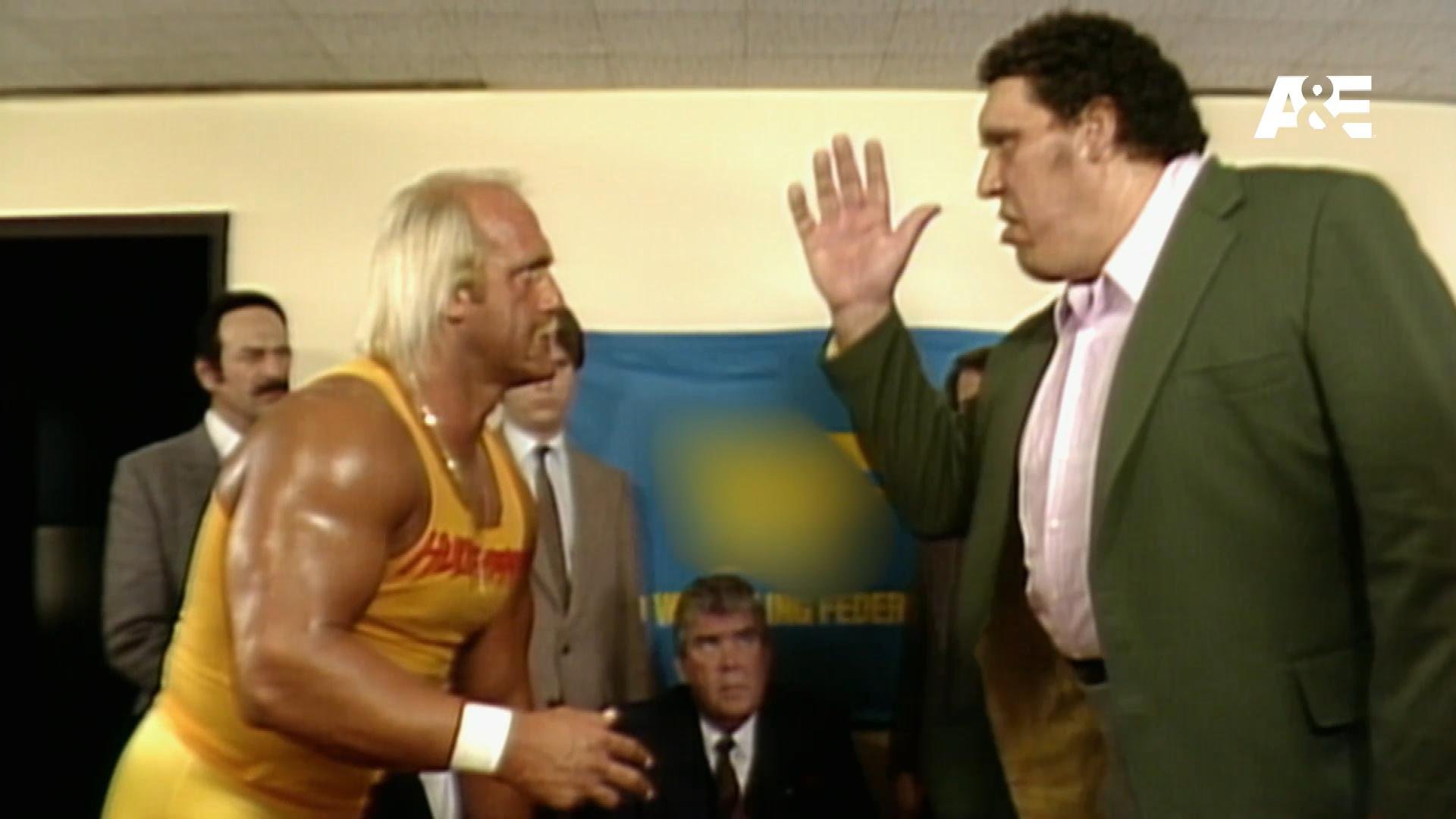
André René Roussimoff (later known as “André the Giant”) was born on 19 May 1946 in Coulommiers, Seine-et-Marne, in the French countryside. His parents, Boris Roussimoff (born 1907 in Bulgaria) and Mariann Maraszek Roussimoff (born in Poland), were immigrant farmers in rural France. André was the third of five children (two older, two younger), and grew up in the small village of Molien (about 40 miles east of Paris). He spent his childhood helping on the family farm.
As a child he was an average student who enjoyed outdoor activities – he “loved soccer and mathematics” according to one account. Even so, he became unusually large at a young age. By the time he was about 12 years old, he was already over six feet tall and weighed well over 200 pounds. His size soon made ordinary life difficult – for example, he could no longer fit on the village school bus. To help him get to class, the Nobel Prize–winning playwright Samuel Beckett (a neighbor) would drive young André to school in his truck.
André left school at the age of 14 (the legal minimum leaving age in France at that time) to begin work on the farm. Even in his mid-teens his growth was extraordinary: family accounts note he was about 6 ft 6 in tall by age 15. Throughout his childhood, his family supported him as he continued to outgrow ordinary life (for example, by arranging for custom-made clothing and furniture). These early years – in a rural, close-knit farming community – shaped André Roussimoff’s upbringing.
| Fact | Details |
| Full Name | André René Roussimoff |
| Birth | May 19, 1946, France |
| Height | Billed 7 ft 4 in |
| Condition | Acromegaly |
| Early Life | Farm work, left school at 14 |
| Wrestling Start | 1960s, France |
| WWF Debut | 1973 |
| Famous Match | vs Hulk Hogan (1987) |
| Acting Role | The Princess Bride |
| Net Worth | Not officially disclosed |
Early Career And Entry Into Professional Wrestling
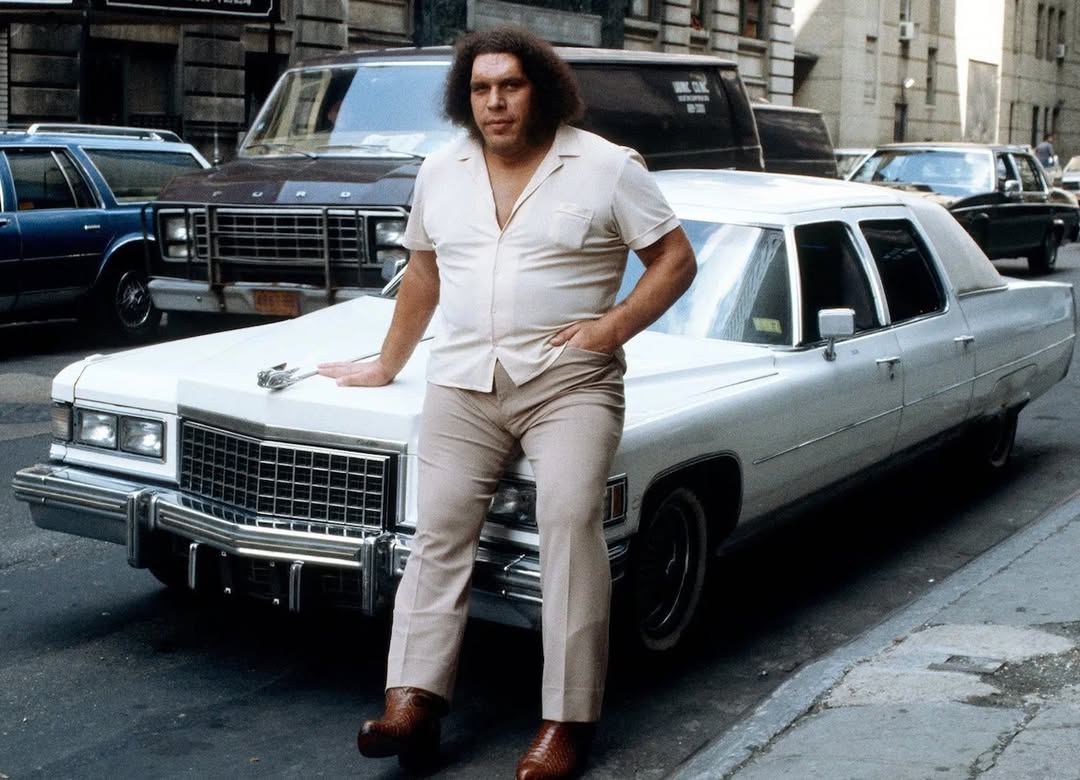
André Roussimoff began his professional wrestling training as a teenager in France. In the mid 1960s he moved to Paris, where a local promoter taught him the basics of wrestling. Billed under names like “Géant Ferré”(French for “Gaul, the Giant”) early on, he toured extensively in Europe, Australia, New Zealand and Africa, becoming known for his immense size.
By 1970 he had made his wrestling debut in Japan (as “Monster Roussimoff”), even winning a tag team championship there. His presence soon drew international notice Édouard Carpentier encouraged him to try North America and he was eventually rebranded “André the Giant.” These early years established his reputation as a unique athletic attraction and set the stage for his career in larger promotions.
How André The Giant Started His Wrestling Career
In the early 1970s André transitioned to North American wrestling. He appeared as a special attraction in the AWA (American Wrestling Association) and toured the United States, where promoter Vince McMahon Sr. took an interest in him.
McMahon Sr. helped refine his image: he began billing Roussimoff as André the Giant, emphasizing his size and portraying him as an almost unstoppable monster. André made his official World Wide Wrestling Federation (WWWF, later WWF/WWE) debut on March 26, 1973, defeating Buddy Wolfe at Madison Square Garden in New York.
From that point onward he was featured as one of the promotion’s top fan favorites (or “babyfaces”), headlining shows and selling out arenas across the U.S. His early matches in WWF solidified him as a lead attraction and laid the groundwork for a career that would span two decades.
The Rise Of André The Giant As A Global Wrestling Attraction
Throughout the late 1970s and 1980s André’s star power grew worldwide. At 7 ft 4 and well over 500 lb, he was an unparalleled draw in any territory. He regularly sold out major venues for example, he was reported to have “regularly sold out the Montreal Forum” during tours in Canada. During this period he wrestled across North America, Japan and Europe as a marquee competitor.
Media outlets even celebrated his fame: in the early 1980s Sports Illustrated ran an unusually long feature article on him, highlighting how he transcended the usual wrestling circuit.
By the mid-1980s, André was billed as nearly unbeatable a legend of the ring whose mere presence could fill arenas. His rivalry with young Hulk Hogan captured national attention; their eventual clash at WrestleMania III (1987) in front of 93,000 fans helped launch WWF from a regional promotion into a nationwide sports-entertainment phenomenon.
Career-Defining Matches And Major Wrestling Milestones
André’s career was marked by several high-profile matches that have become wrestling lore. He famously headlined the first WrestleMania (1985), winning a $15,000 “Body Slam Challenge” against Big John Studd in Madison Square Garden.
The following year, he won the 20-man Battle Royal at WrestleMania 2 (1986), eliminating Bret Hart as the final competitor. Perhaps his most legendary match was at WrestleMania III (1987) against Hulk Hogan, where the undefeated Hogan body slammed André in a moment televised worldwide.
André also captured the WWF World Heavyweight Championship in early 1988 (defeating Hogan on TV) and then immediately forfeited the title, leading to the first WrestleMania IV tournament. In tag team competition, he held the WWF Tag Team Championship with partner Haku (1990).
Beyond WrestleMania, he took part in major cross-promotional events for example, in 1976 he faced heavyweight boxer Chuck Wepner in a wrestling vs boxing attraction televised on the Muhammad Ali vs. Antonio Inoki undercard demonstrating his crossover appeal and stature as a major attraction of his era.
André The Giant’s Transition Into Film And Television
In parallel with wrestling, André built a modest acting résumé. During the late 1970s he made guest appearances on television shows; notably, he played “Bigfoot” on an episode of The Six Million Dollar Man.
He was also featured on variety and talk shows, including The Tonight Show (as himself), capitalizing on his celebrity status. His most famous acting role came in 1987: André starred as Fezzik, the gentle giant, in Rob Reiner’s film The Princess Bride.
In that beloved movie, he played the kindly warrior who befriends the hero, a role for which he remains well remembered by film audiences. In later years he made further film and TV appearances, such as in several wrestling documentaries and tribute specials, but The Princess Bride stands out as his signature screen performance.
Major Career Achievements And Hall Of Fame Recognition
Across his career André won multiple championships in major wrestling promotions. In the WWF he captured the World Heavyweight Championshiponce (1988, though he surrendered it immediately) and the WWF World Tag Team Championshiponce (as champion with Haku in 1990). He also held various tag team titles internationally (for example, winning the IWE World Tag Team Championship in Japan).
His prominence was acknowledged by the industry: after his death he became the first inducteeinto the WWF Hall of Fame (Class of 1993). He has since been honored by other wrestling halls of fame as well. His long-standing impact was often cited by peers; even in official descriptions he was called “the company’s leading attraction, towering over the competition” during his era.
Lasting Influence On Professional Wrestling And Popular Culture
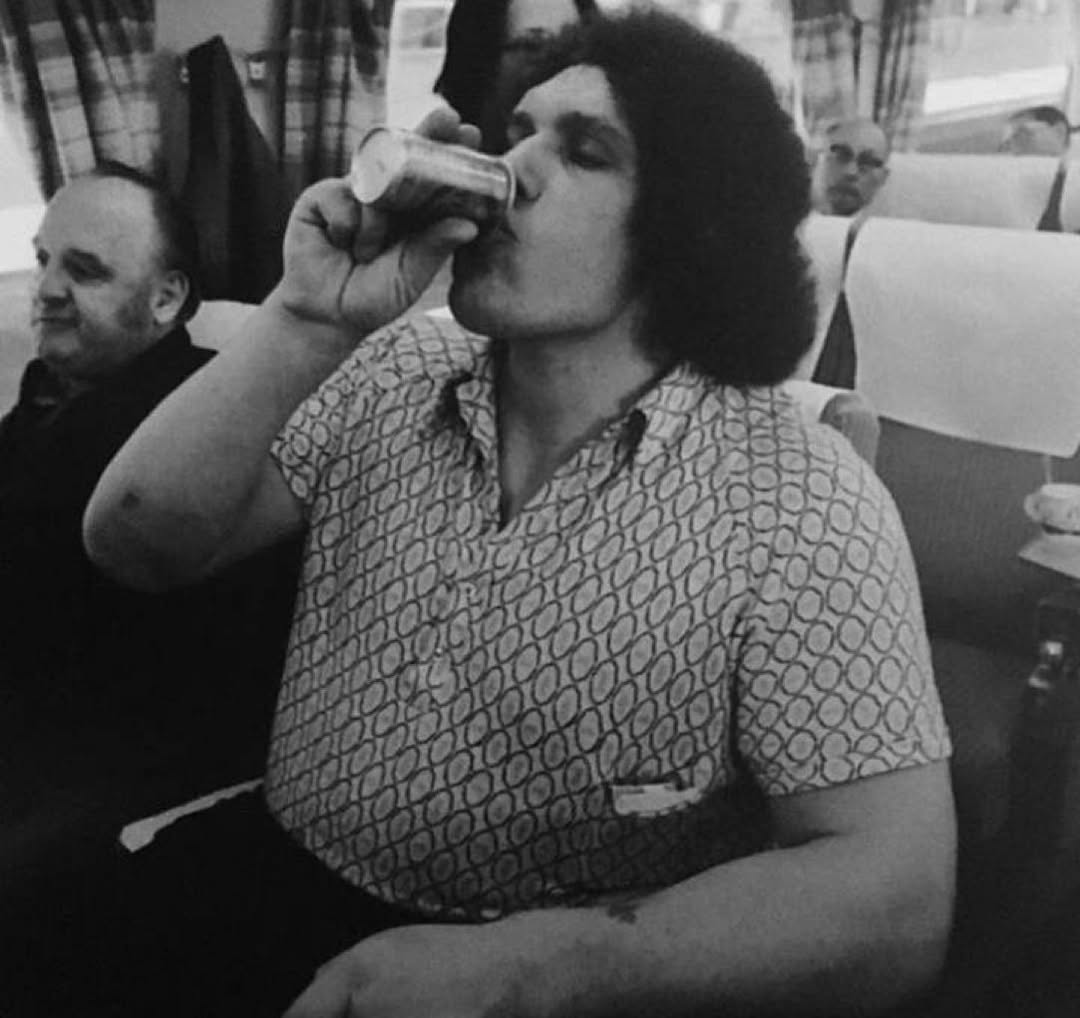
André the Giant’s influence extends far beyond the era in which he performed. He helped define the archetype of the “giant” wrestler and showed that professional wrestling could create larger-than-life celebrities.
Generations of wrestlers have cited him as an inspiration, and his persona gentle yet formidable remains iconic. WWE continues to pay tribute: since 2014 it has held an annual “André the Giant Memorial Battle Royal” at WrestleMania events to honor his memory.
In popular culture, André became a symbol of an era; he was famously the subject of street art (Shepard Fairey’s “Andre the Giant Has a Posse/Obey Giant” campaign) and remains referenced in comics, video games, and media about wrestling history. Even decades after his death, videos of his matches are still shown at WWE shows, and his name evokes the golden age of sports-entertainment.
Legacy, Tributes, And Ongoing Public Recognition
André the Giant’s legacy is kept alive through numerous tributes and public honors. In his hometown region, a permanent exhibit of his career memorabilia is maintained at the Rankin Museum of American Heritage in Ellerbe, North Carolina (where he lived for many years).
The exhibit features his iconic wrestling attire, personal items, and even his famous oversized recliner. Most recently, in April 2026he was honored by the state of North Carolina with an official highway historical marker in Ellerbe, inscribed simply: “André The Giant, 1946–1993. Actor and professional wrestler. Known for role in The Princess Bride (1987). Lived nearby.”
This roadside marker and the museum exhibit underscore how he is remembered both in wrestling and in the local community he adopted. World Wrestling Entertainment and fans worldwide continue to celebrate him through special events, documentaries and merchandise.
From annual battle royals in his name to mentions on Hall-of-Fame anniversaries, André’s name and memory remain deeply woven into the fabric of professional wrestling and popular culture, a testament to his enduring impact on the industry.
André The Giant Net Worth
At the time of his death, André the Giant’s net worth was not publicly disclosed, and no figure has been officially verified by major financial authorities. He earned income from professional wrestling for example, a 1974 Guinness record noted his annual wrestling salary at $400,000 as well as from acting roles in films, including The Princess Bride. However, the exact earnings from these sources were never publicly confirmed.
FAQs
1. What Medical Condition Caused André The Giant’s Size?
André the Giant had acromegaly, a hormonal disorder caused by excess growth hormone. This condition led to his unusual height and physical features.
2. What Was André The Giant’s Most Famous Film Role?
He is best known for playing Fezzik in the 1987 film The Princess Bride. The role showcased his gentle personality and remains popular with audiences.
3. When Did André The Giant Join WWF (now WWE)?
He made his official WWF debut in 1973. From then on, he became one of the promotion’s top attractions.
4. Was André The Giant Ever Defeated In Wrestling?
Although he was often billed as undefeated for many years, André did lose matches later in his career. His loss to Hulk Hogan at WrestleMania III is one of the most well-known.
5. Why Is André The Giant Called “The Eighth Wonder Of The World”?
The nickname was given to emphasize his extraordinary size and global appeal. It became a key part of his wrestling persona and branding.

Chloe Anderson
Author
Chloe Anderson is a passionate explorer of the world of celebrity finance, known for her keen insights and captivating storytelling. With a background in finance journalism, Chloe has a knack for unraveling the financial mysteries behind the stars.
Her journey into the fascinating realm of celebrity net worth began with a deep curiosity about how fame and fortune intersect. Chloe believes that understanding the financial lives of iconic personalities adds a unique layer of intrigue to their captivating stories.
With a commitment to delivering accurate and engaging content, Chloe takes you on a journey through the financial successes, investments, and philanthropic endeavors of influential figures. She combines her expertise in finance with her love for storytelling to create articles and features that both inform and entertain.
Latest Articles
Popular Articles